
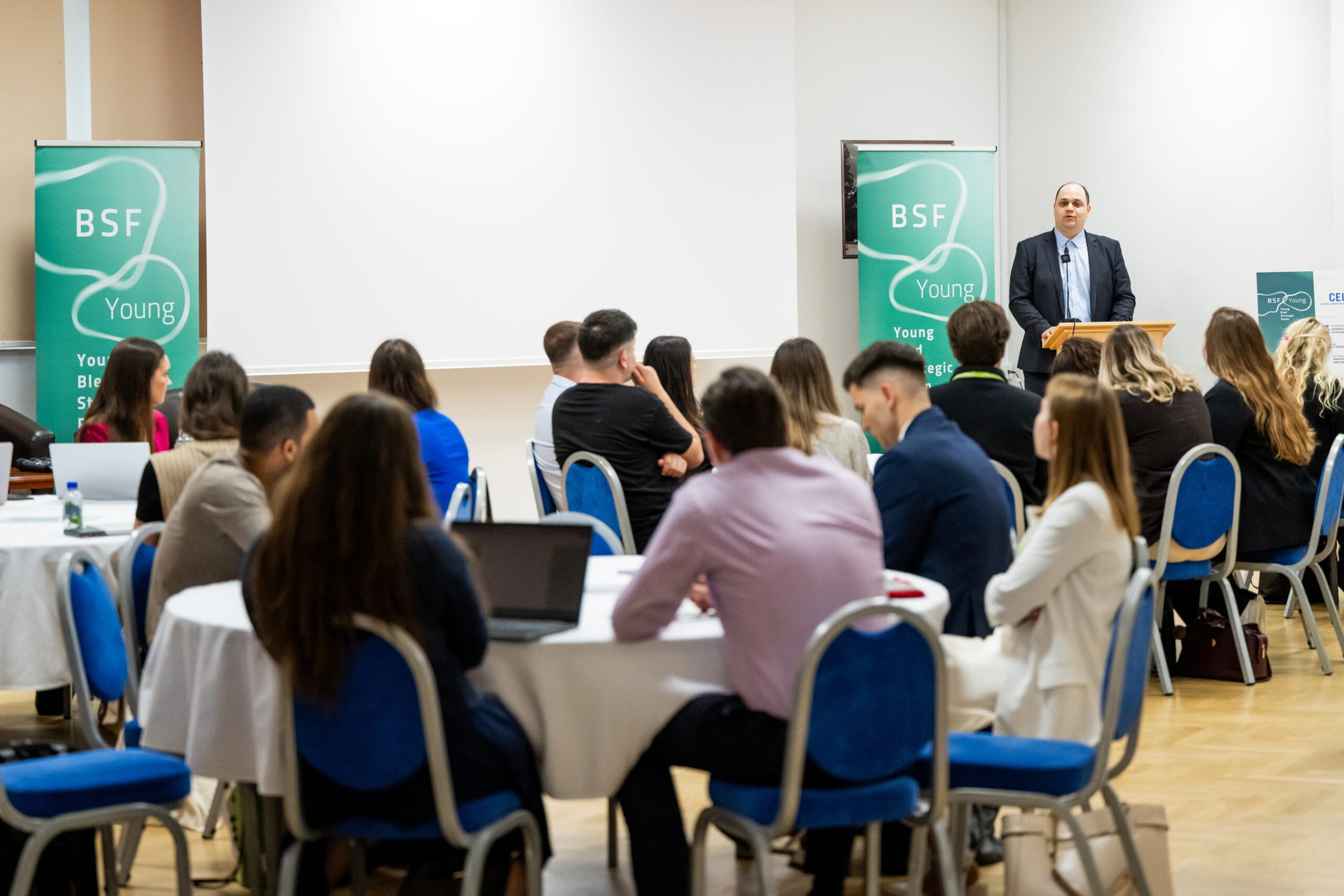
Kranjska Gora, 29 August 2026 – As part of this year’s edition of the Young Bled Strategic Forum (BSF), YATA Slovenia hosted a workshop titled “Shaping the Future of the Euro-Atlantic Order After the Rupture.” The workshop invited Young BSF participants to examine how the Euro-Atlantic order is changing and identify the strategic choices that should guide its development towards 2035.
YATA Slovenia’s workshop took place under the broader Young BSF theme “After the Rupture: Agency and Resilience in a Fragmented World.” It began with recognising that the international environment is undergoing profound change. Russia’s war against Ukraine, intensifying geopolitical competition, rapid technological development, pressure on democratic institutions, strategic dependencies, climate-related risks and societal fragmentation challenge many of the assumptions and arrangements that have shaped the Euro-Atlantic order for decades.
Against this backdrop, participants considered a broader question: what comes next?
Instead of examining individual crises in isolation, they explored which elements of the existing order remain essential, which must adapt to a changing strategic environment, and which may need fundamental rethinking.
A collaborative strategic exercise
Members of YATA Slovenia facilitated the discussions. They captured the views expressed, while participants took responsibility for defining priorities and developing concrete proposals for the future of the Euro-Atlantic community.
To translate the broad idea of rupture into a structured discussion, participants worked in separate groups across six interconnected dimensions of resilience:
-
- Security and Defence
- Democracy and Institutional Resilience
- Technology and the Information Space
- Economic Security and Supply Chains
- Climate and Disaster Resilience
- Societal Cohesion and Youth Agency
Each group followed a common process. Participants first examined what the current period of rupture means for their respective domain and identified the principal risks and structural challenges. They then agreed on three Strategic Priorities for 2035 and developed three Policy Recommendations for putting those priorities into action.
This format required them to move beyond only diagnosing the present. They had to make choices, confront trade-offs and consider what institutions, governments and societies could realistically do in response.
Six dimensions of Euro-Atlantic resilience
The group discussions demonstrated that today’s strategic challenges do not fit neatly within traditional policy boundaries.
In the Security and Defence group, participants emphasised the need for stronger capabilities, sustained preparedness and greater societal resilience. They considered how Europe can assume greater responsibility for its security as the transatlantic relationship evolves, while preserving close cooperation between Europe and North America. The security and Euro-Atlantic integration of the Western Balkans also emerged as an important priority.
The Democracy and Institutional Resilience group examined the relationship between the rule of law, institutional integrity, public trust and democratic legitimacy. Participants discussed how democratic systems can become more resistant to foreign interference and other forms of pressure without compromising the openness, accountability and fundamental freedoms on which their legitimacy depends.
In the Technology and the Information space group, participants focused on disinformation, propaganda, artificial intelligence, and other emerging technologies. They considered how institutions could improve their capacity to detect and counter information manipulation while strengthening long-term societal resilience through digital, media and AI literacy.
The Economic Security and Supply Chains group addressed vulnerabilities arising from concentrated dependencies in strategically important sectors. At the same time, participants warned against equating resilience with self-sufficiency or isolation. They therefore examined how diversification, stronger European cooperation and more robust supply chains could reduce strategic exposure while preserving the benefits of international trade and economic cooperation.
In the Climate and Disaster Resilience group, they approached climate change as an environmental, economic, societal and security challenge. Participants explored how mitigation and adaptation could be better connected with energy security, competitiveness, social cohesion, and disaster preparedness, while recognising that regions and societies face different levels of exposure and have unequal capacities to respond.
Finally, the Societal Cohesion and Youth Agency group examined how trust, public services, institutional responsiveness and meaningful participation reinforce one another. Participants gave particular attention to the role of young people and the need to move beyond participation as a symbolic objective. They stressed the importance of creating genuine opportunities for younger generations to shape decisions, assume responsibility and contribute to implementation.
Connecting the six domains
The thematic sessions were followed by a plenary exchange in which participants compared their findings and identified connections across the six domains. The overlap between their conclusions underscored the need to approach Euro-Atlantic resilience as a shared, cross-sectoral challenge rather than a collection of separate policy issues.
Trust and institutional legitimacy, for example, are essential to social cohesion and effective crisis response, not only to democratic resilience. Strategic dependencies link economic security with defence, technology and energy. Information manipulation weakens both democratic institutions and the fabric of society, while climate-related risks affect infrastructure, economic stability, energy security and disaster preparedness.
The exchange also revealed tensions that cannot be overlooked or eliminated but require careful political management. For instance, how can critical dependencies be reduced without abandoning the benefits of interdependence? How can institutions act more quickly and effectively while remaining democratically accountable? Which parts of the existing order should be preserved, and where is deeper reform necessary? How can fidelity to fundamental principles be reconciled with pragmatic cooperation in an international environment shaped by divergent interests and perspectives?
A common conclusion was that resilience means more than enduring disruption. It also requires institutions and societies to anticipate change, adapt to new circumstances, make difficult choices and retain the capacity to act.
From rupture to agency
The role of young professionals was central throughout the whole exercise. From the outset, it was clear that young people should not be viewed only as future leaders or recipients of decisions made today. Their expertise, professional experience, and perspectives can already strengthen institutions’ and societies’ ability to address strategic challenges.
Meaningful youth agency therefore extends beyond representation or consultation. It requires opportunities to contribute to policymaking, lead initiatives, apply expertise and new ideas, and build stronger connections between institutions, societies and generations.
The format put this principle into practice. Rather than responding to predetermined policy positions, participants were entrusted with identifying challenges, weighing competing considerations and developing their own priorities and recommendations.
Towards the Young Euro-Atlantic Resilience Strategy 2035
The gathering in Kranjska Gora was conceived as the beginning of a broader process. Its conclusions were intended to feed into a substantive post-event output and bring the participants’ ideas into the wider debate on the future of the Euro-Atlantic order.
Following Young BSF, YATA Slovenia consolidated the principal risks and structural challenges, Strategic Priorities and Policy Recommendations developed by the six groups, together with the main conclusions of the plenary exchange. The process revealed recurring themes and areas of both convergence and divergence across the six domains.
These inputs formed the foundation of the Young Euro-Atlantic Resilience Strategy 2035, the project’s final output. The Strategy brings the different strands of the discussion into a common framework to strengthen the resilience, legitimacy and capacity for action of the Euro-Atlantic community towards 2035.
Through this process, YATA Slovenia sought to create a space in which young professionals could do more than discuss a future that others will shape. Therefore, the question posed in Kranjska Gora reaches beyond the event itself: in an era of rupture and strategic uncertainty, what should be defended, what must adapt and what needs to be rethought? The contribution developed at the Young Bled Strategic Forum represents one part of the answer and a starting point for carrying these ideas forward.
* The statements, views, assessments and proposals presented reflect the perspectives expressed by workshop participants and do not necessarily represent the official positions or views of the authors, YATA Slovenia or the Euro-Atlantic Council of Slovenia.
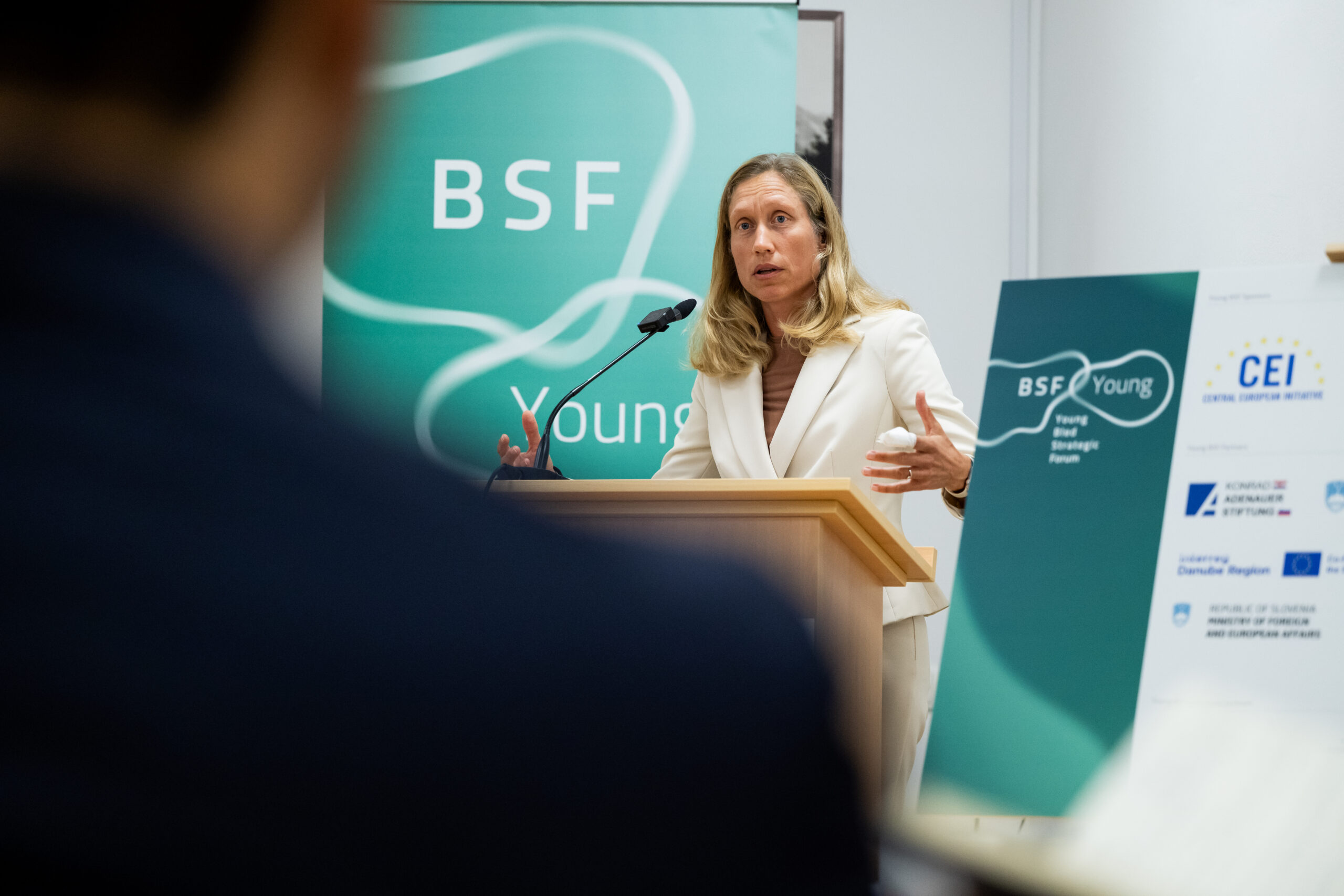
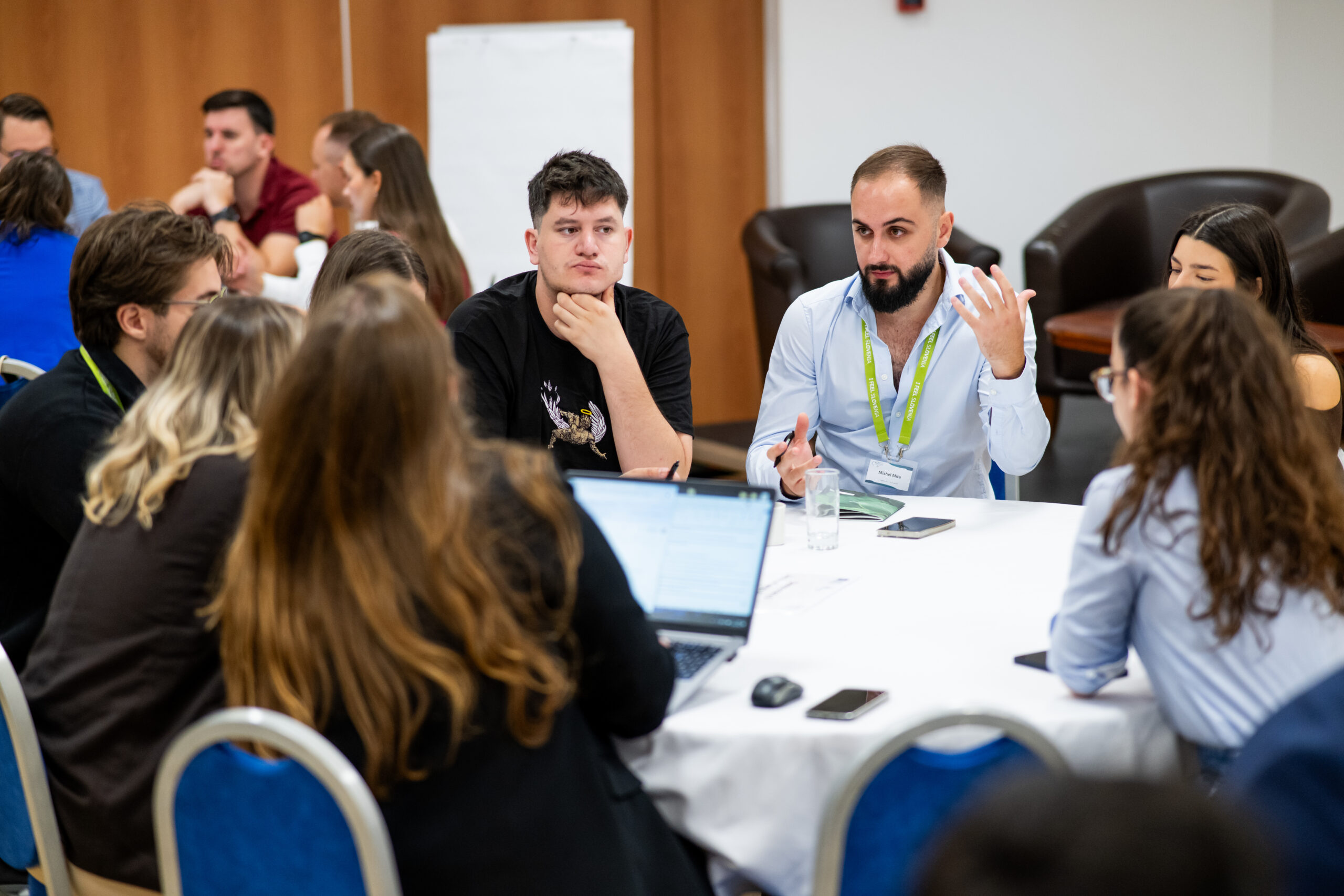
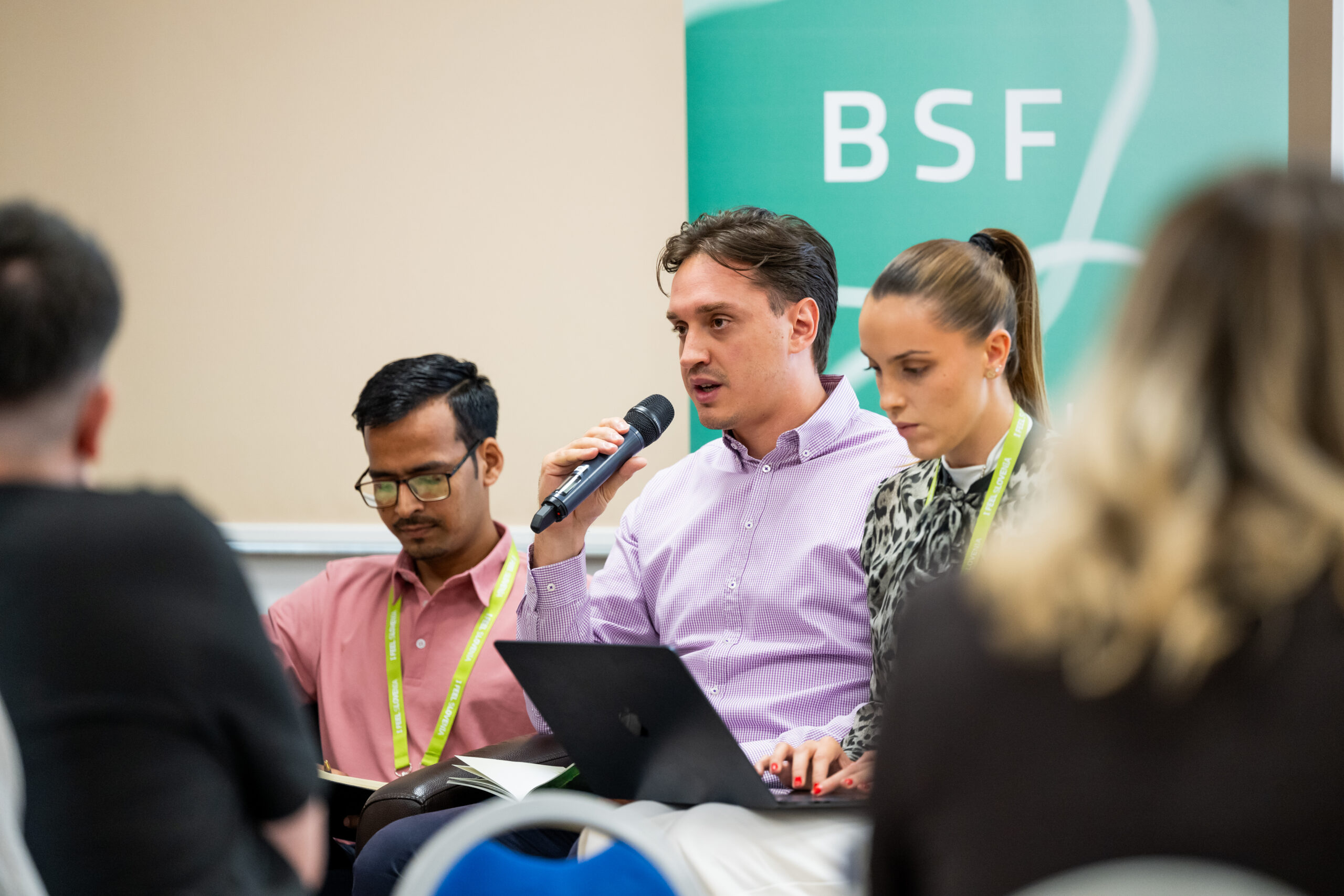

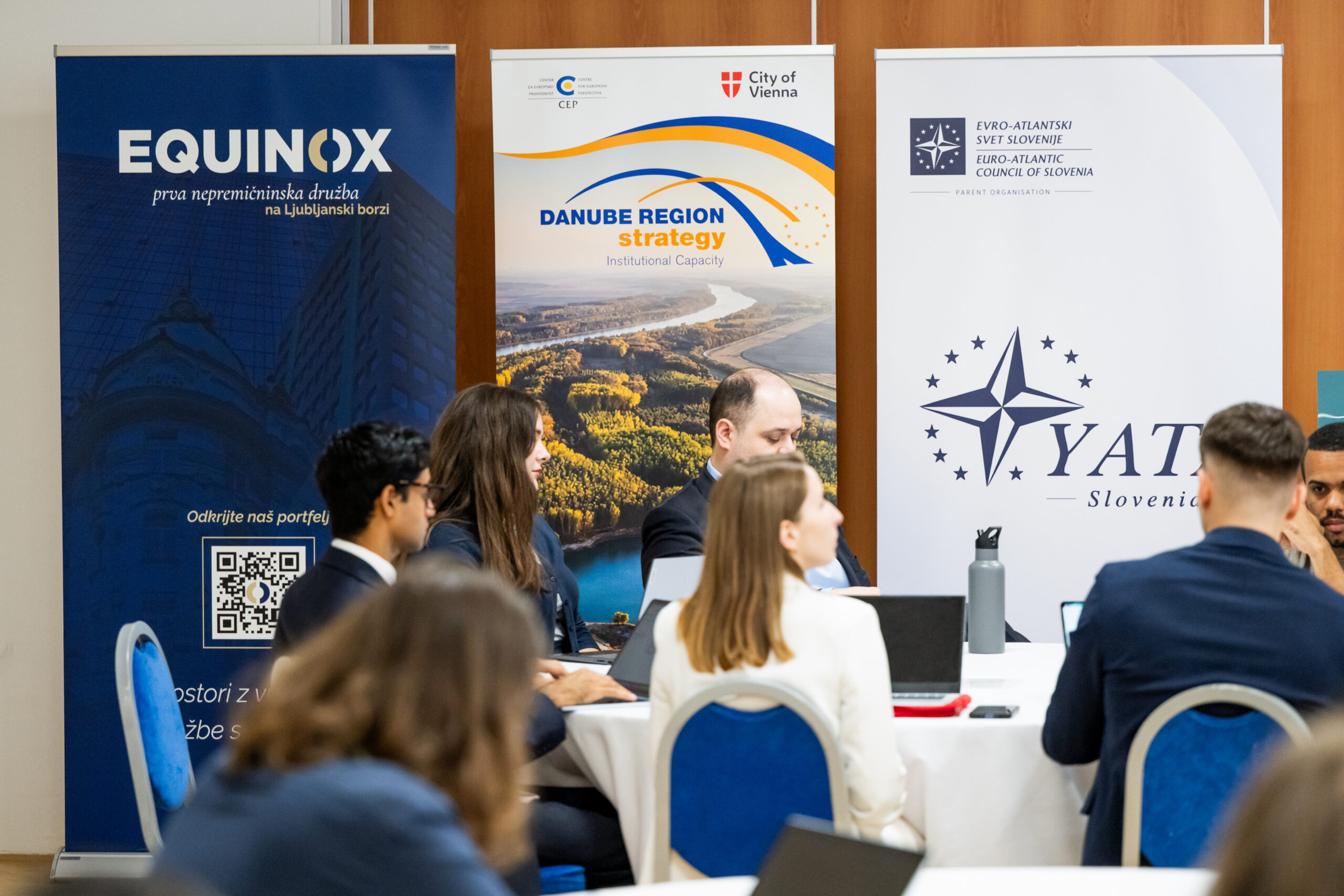

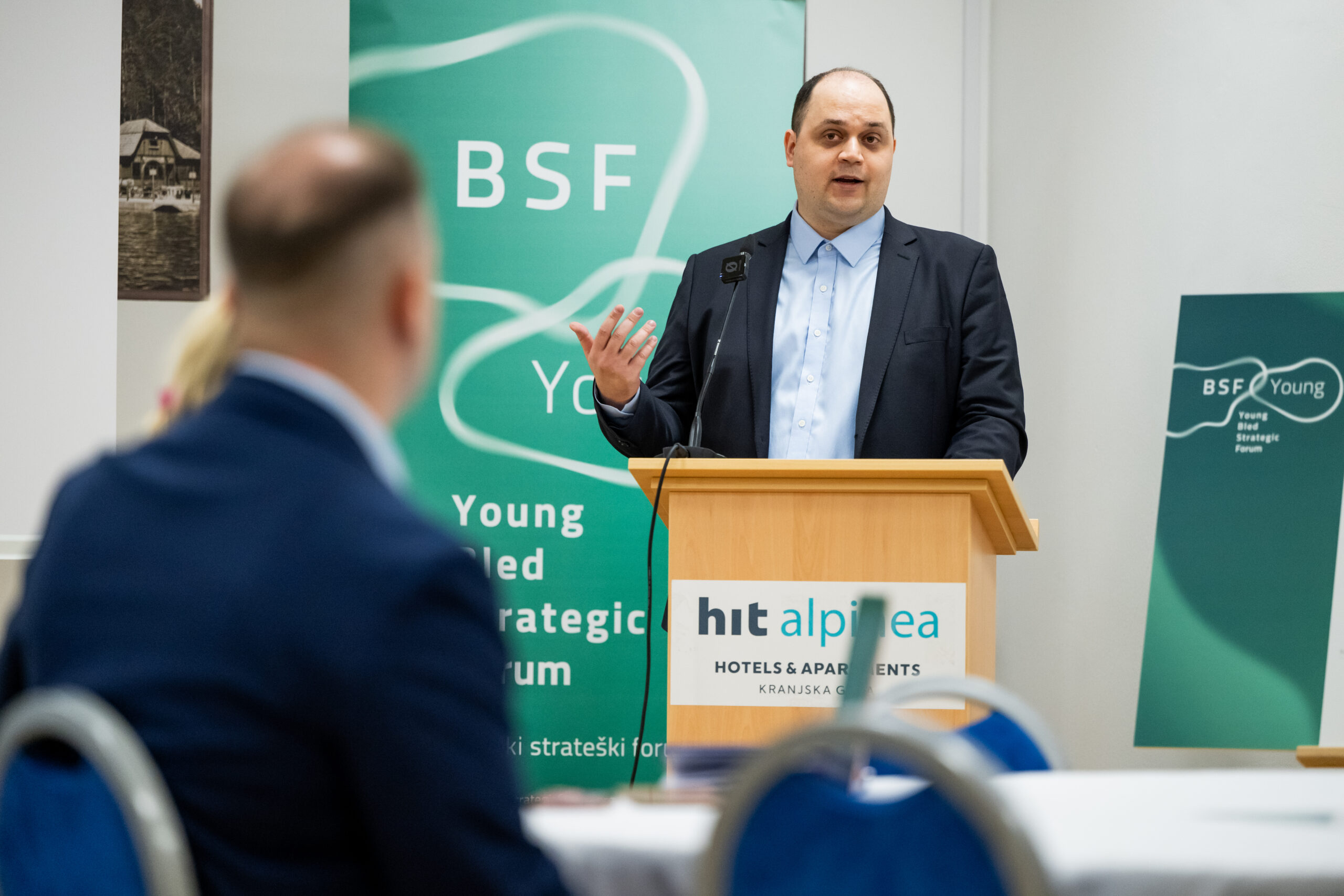
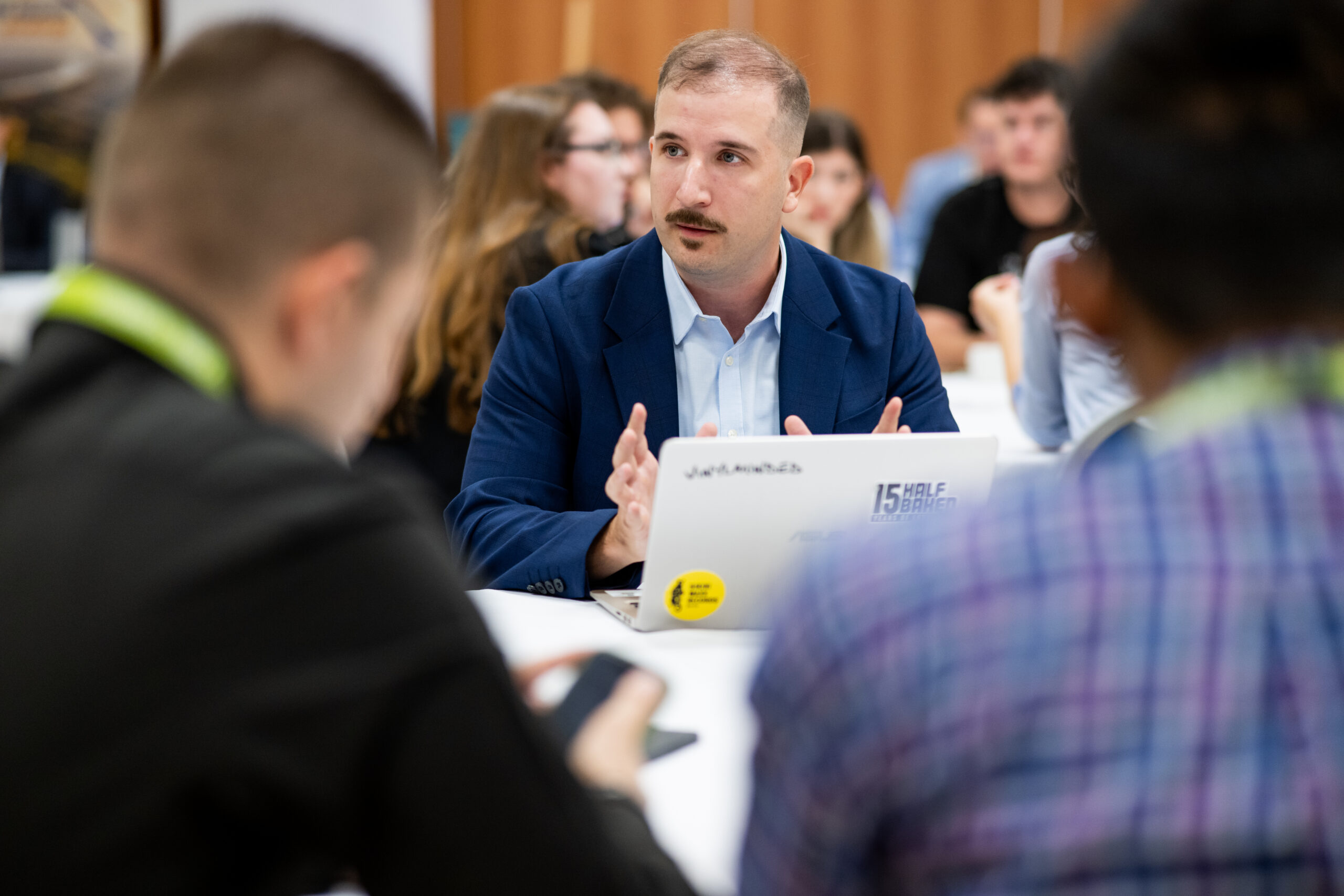

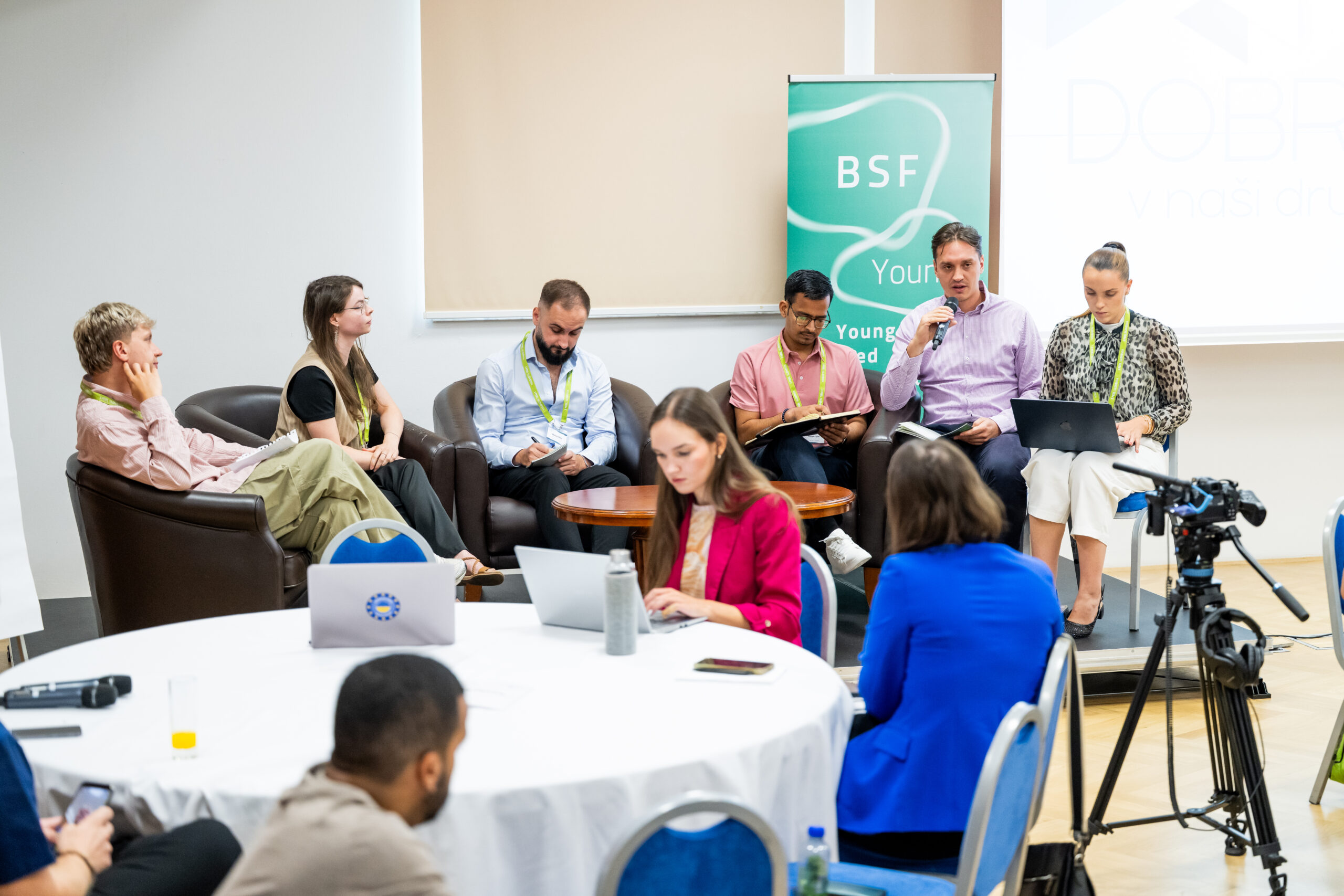


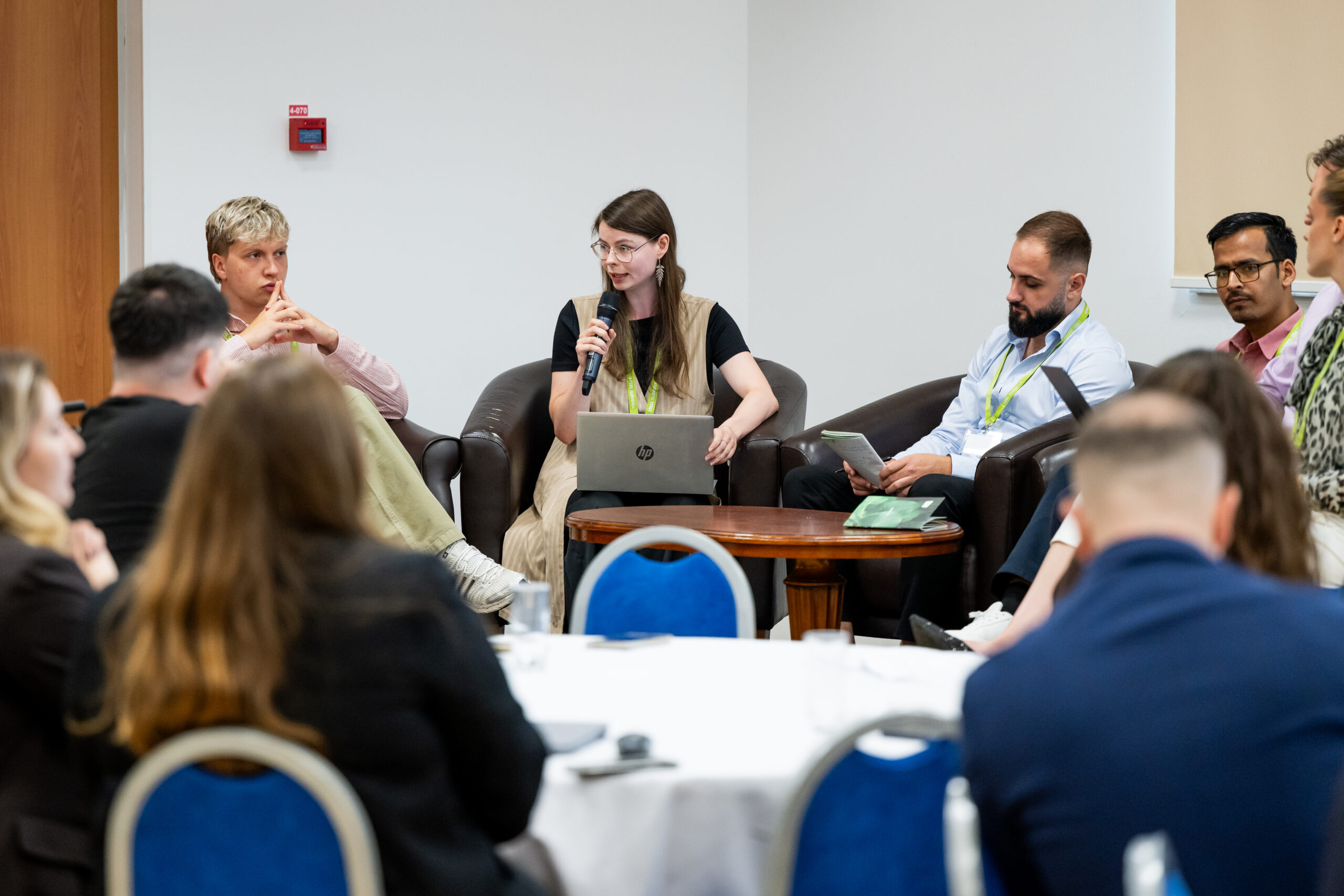
Photo: Bled Strategic Forum