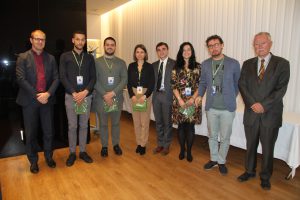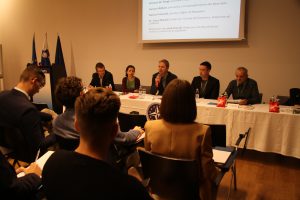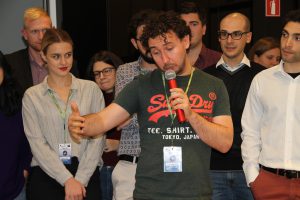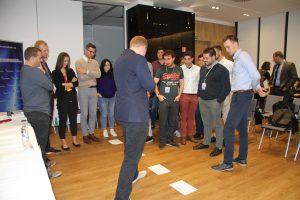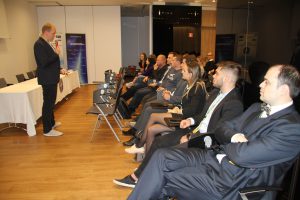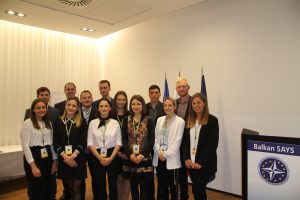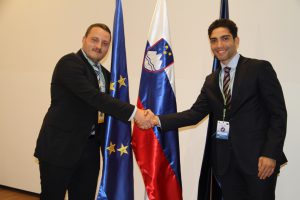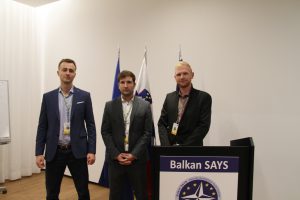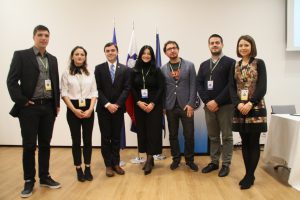


Balkan SAYS – Security Atlantic Youth Seminar is the flagship international youth project of the YATA Slovenia (the Youth Section of the Euro-Atlantic Council of Slovenia). Since 2013, it has brought together young professionals, students, researchers, institutional representatives and other participants working in the fields of security, defence, diplomacy and international relations.
The conference provides a platform for in-depth discussion of key Euro-Atlantic security issues, with particular emphasis on the Western Balkans, regional stability, transatlantic relations, and broader geopolitical and strategic developments. Its mission is to promote informed dialogue, international cooperation, the exchange of diverse perspectives and the active involvement of young people in discussions on issues shaping the future security environment.
The multi-day programme combines panel discussions, keynote addresses, one-on-one discussions with distinguished guests, interactive workshops and other formats that enable participants to engage directly with Slovenian and international experts, decision-makers and representatives of national and international institutions. International networking and the development of long-term professional and personal connections among young people from different countries and backgrounds are also an important part of Balkan SAYS.
Over the years, Balkan SAYS has developed into a recognised platform for youth and professional dialogue on security, linking the regional dimension of the Western Balkans with broader Euro-Atlantic challenges.
Balkan SAYS 2026
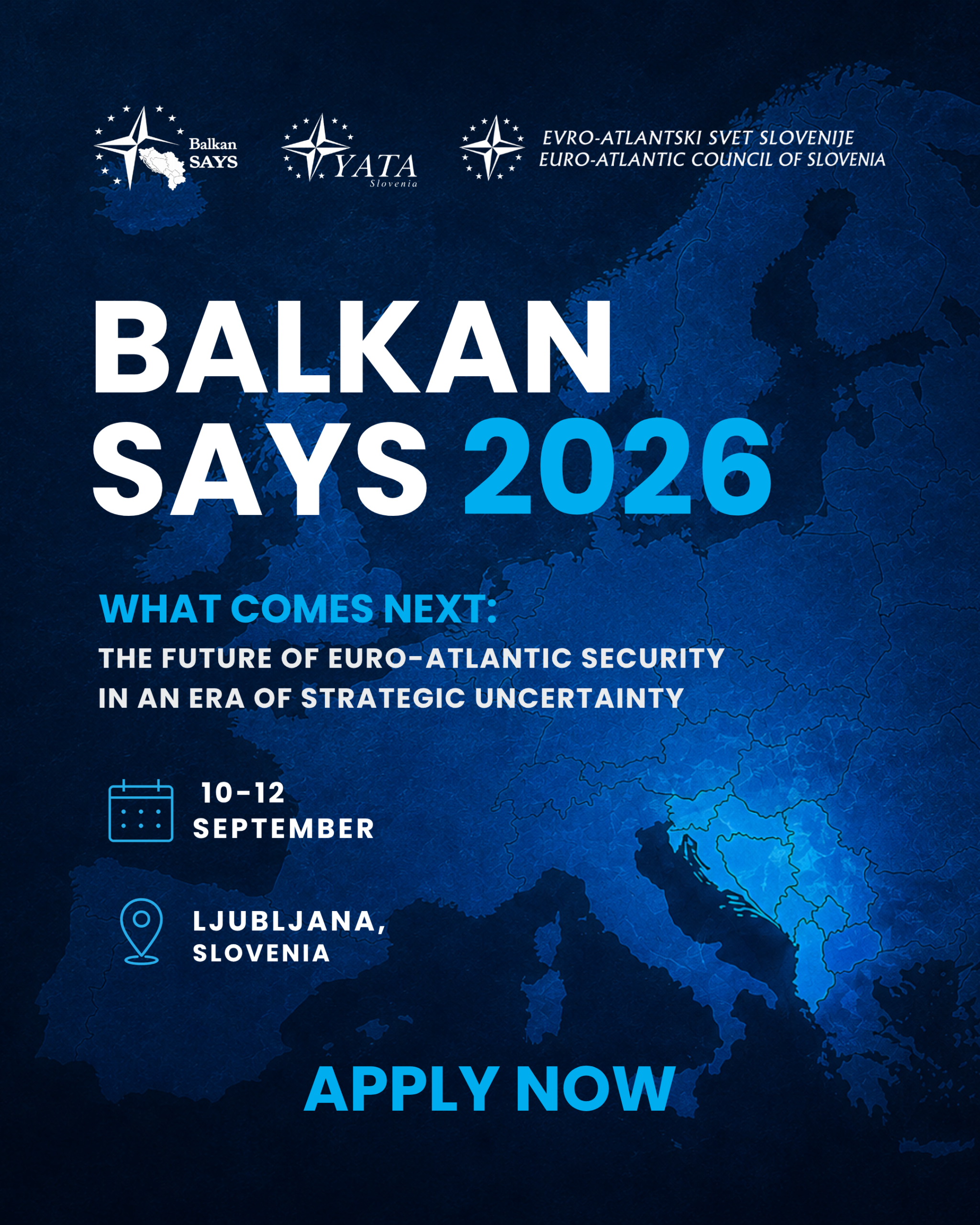
Ljubljana, 10–12 September 2026 – The Euro-Atlantic Council of Slovenia and its Youth Section, YATA Slovenia, successfully organised the 14th edition of the international youth security conference Balkan SAYS – Security Atlantic Youth Seminar, which took place in Ljubljana from 10 to 12 September 2026.
This year’s edition brought together 80 participants from 24 countries, including 50 young professionals, 20 speakers and other guests, for three days of discussions, workshops, networking and exchange on the future of Euro-Atlantic security.
The central theme of Balkan SAYS 2026 was “The Future of Euro-Atlantic Security in an Era of Strategic Uncertainty”. The programme addressed some of the most pressing challenges facing the Euro-Atlantic area today, including the future of Europe’s security order, transatlantic relations, NATO and EU adaptation, defence commitments and capability development, the Western Balkans, hybrid threats, resilience and the future of diplomacy.
A platform for young professionals and Euro-Atlantic dialogue
Over the past decade, Balkan SAYS has developed into an important regional and Euro-Atlantic platform for young professionals, students, diplomats, experts and practitioners working in the fields of international security, defence, diplomacy, international relations and regional cooperation.
The conference creates a space where young professionals from the Western Balkans, the wider Euro-Atlantic area and beyond can engage directly with senior decision-makers, experts and representatives of international institutions. It combines expert-led panel discussions, one-on-one conversations, interactive workshops and informal networking.
Taking place in Ljubljana, Balkan SAYS also serves as a form of youth diplomacy and international promotion of Slovenia. It connects young professionals from both sides of the Atlantic with Slovenian institutions, experts and organisations, while strengthening Slovenia’s role as a platform for dialogue on Euro-Atlantic security.
Opening and keynote speech
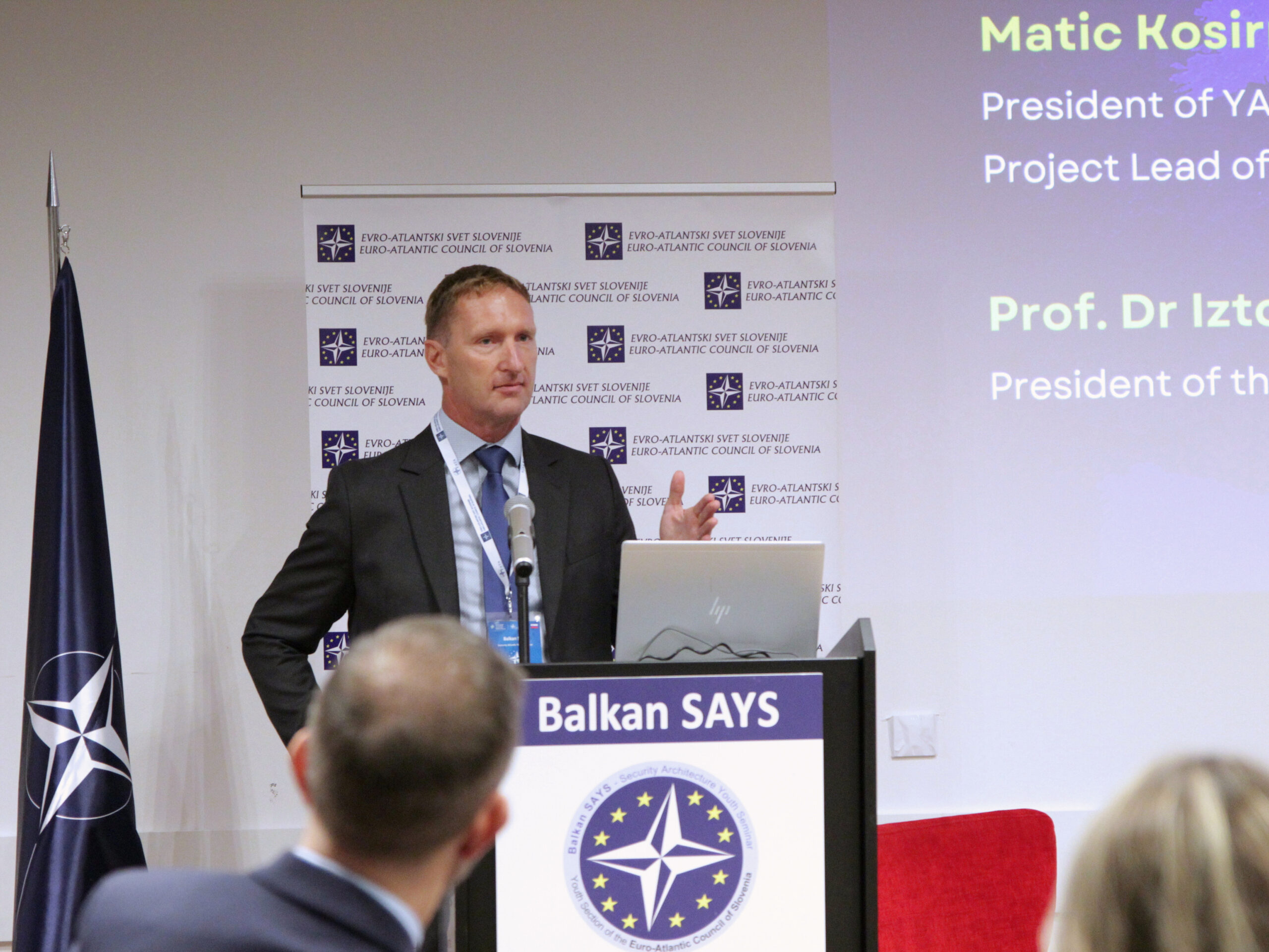
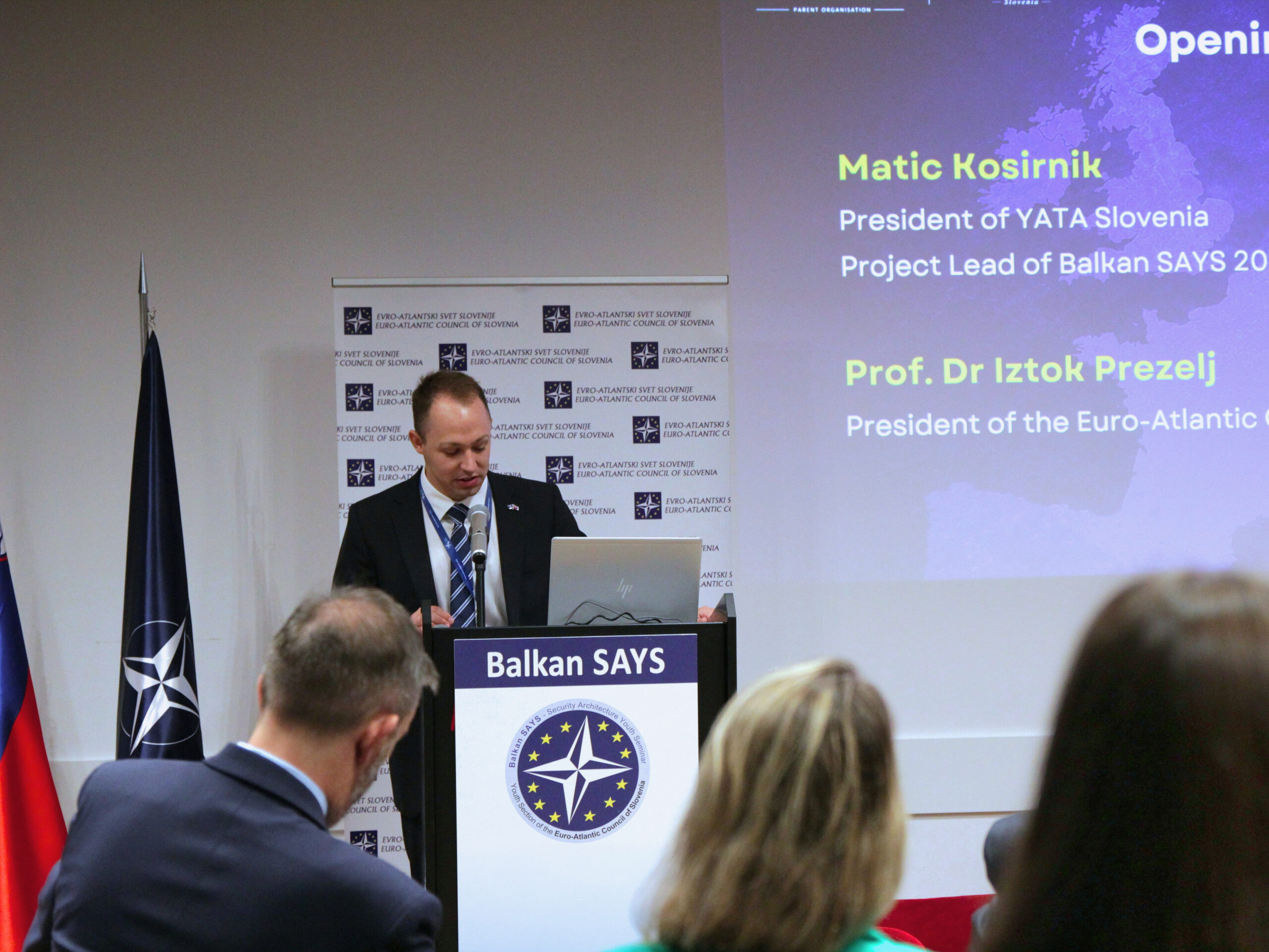
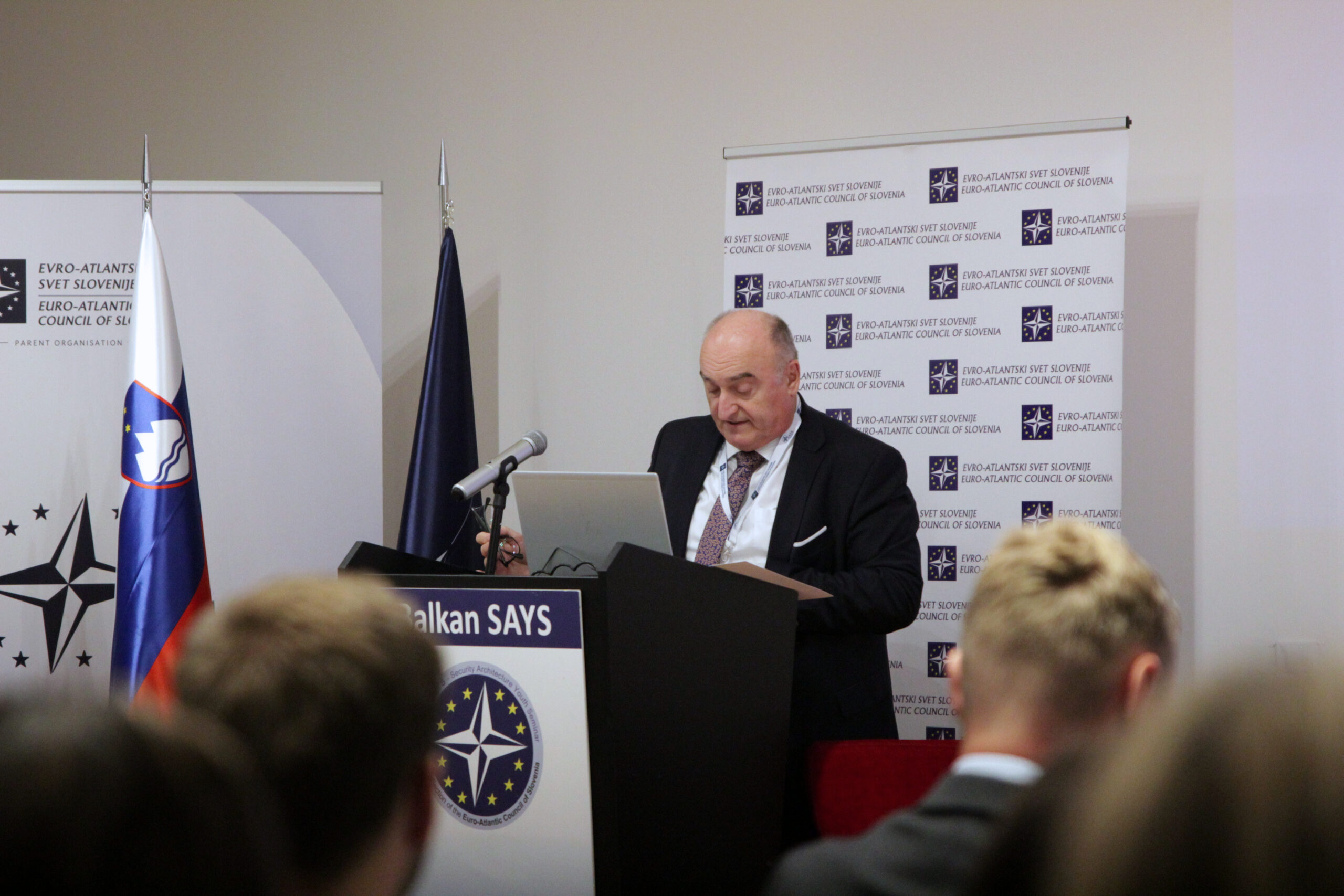
Balkan SAYS 2026 opened on Thursday, 10 September, with welcoming remarks by Matic Kosirnik, President of YATA Slovenia and Project Lead of Balkan SAYS 2026, and Prof. Dr Iztok Prezelj, President of the Euro-Atlantic Council of Slovenia. The opening was followed by an address by Ambassador Matjaž Longar from the Ministry of Foreign and European Affairs of the Republic of Slovenia.

The keynote speech, “What Comes Next? The Future of Euro-Atlantic Security in an Era of Strategic Uncertainty”, was delivered by Ambassador Dr Andrej Benedejčič, Permanent Representative of the Republic of Slovenia to NATO.
The keynote speech set the strategic tone for the conference by addressing the broader transformation of the Euro-Atlantic security environment, the evolving role of NATO, the need for European responsibility and the importance of maintaining unity, resilience and strategic clarity in a period of uncertainty.
Panel I: Europe’s security order in a world beyond norms and predictability
The first panel, “A Return to Power Politics? Europe’s Security Order in a World Beyond Norms and Predictability”, focused on the transformation of Europe’s security architecture and the return of power politics to the international system.
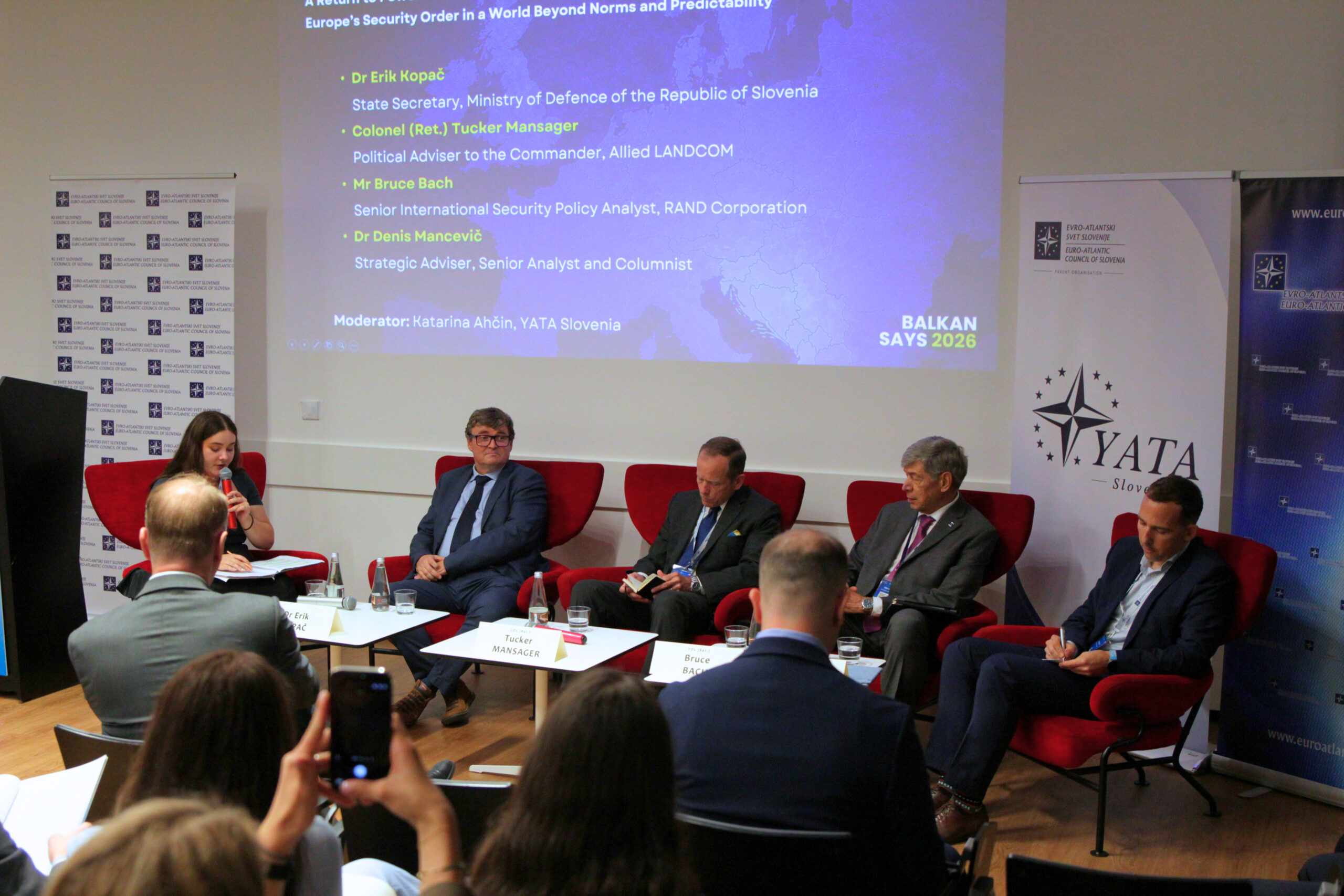 The discussion examined whether Europe is witnessing a shift towards a more traditional balance-of-power logic, or whether rules, institutions and collective security arrangements continue to provide the framework for peace and stability. Speakers also reflected on the role of NATO and the European Union, the uncertainty surrounding the future of the transatlantic relationship, and the implications of these developments for small and medium-sized European states.
The panel featured:
-
- Dr Erik Kopač, State Secretary, Ministry of Defence of the Republic of Slovenia; former Permanent Representative of the Republic of Slovenia to NATO;
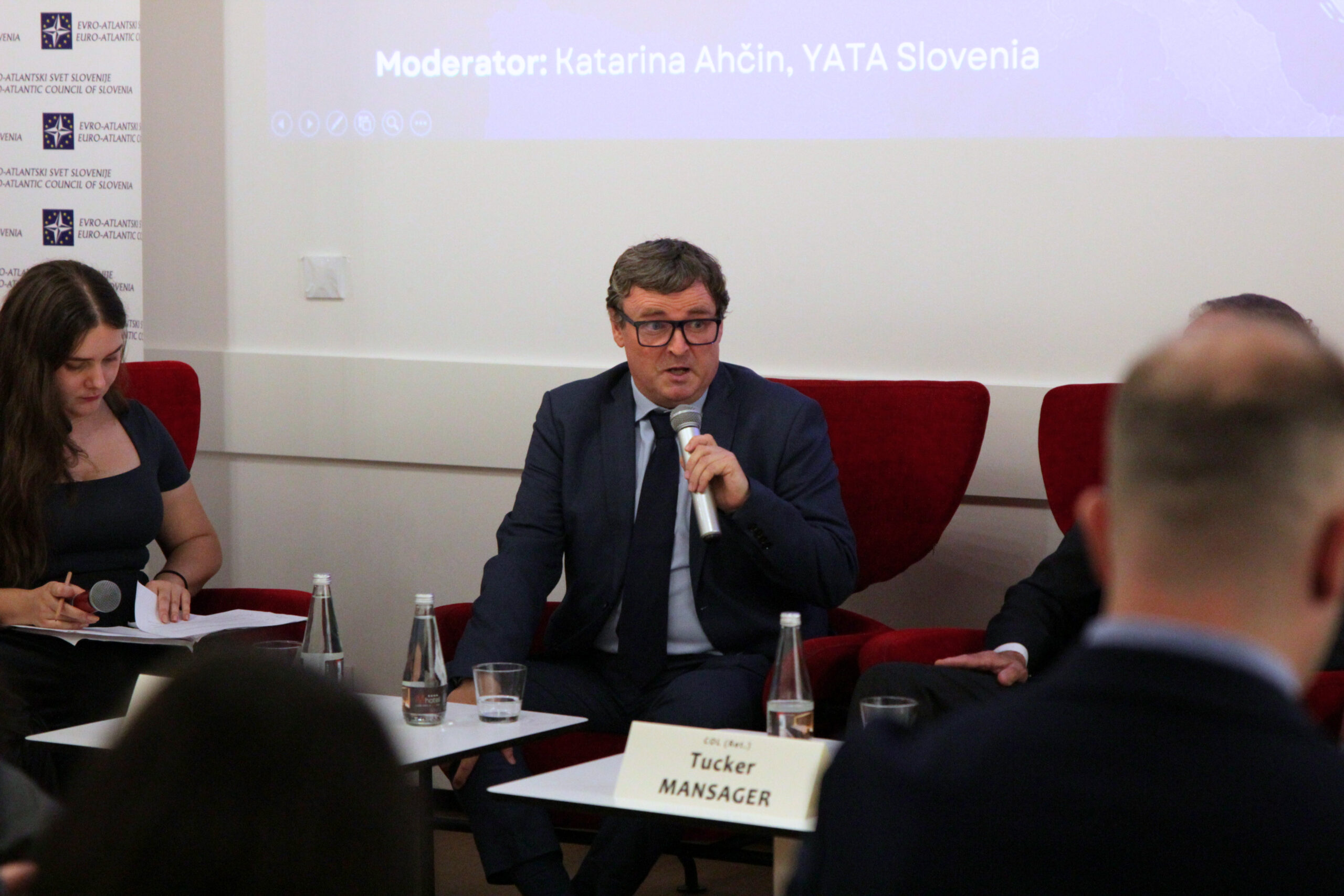
- Colonel (Ret.) Tucker Mansager, former Political Adviser to the Commander, Allied LANDCOM;
- Mr Bruce Bach, Senior International Security Policy Analyst at RAND Corporation; former Force Planner, NATO Defence Policy and Planning Division;
- Dr Denis Mancevič, Strategic Adviser, Senior Analyst and Columnist; former Economic Adviser at the Embassy of the Republic of Slovenia in Moscow.
The discussion was moderated by Katarina Ahčin, member of YATA Slovenia.
Workshop I: Decision-making below Article 5
Following the first panel, participants took part in the first interactive workshop, “Decision-Making Below Article 5: Managing Grey-Zone Pressure on NATO’s Eastern Flank.”
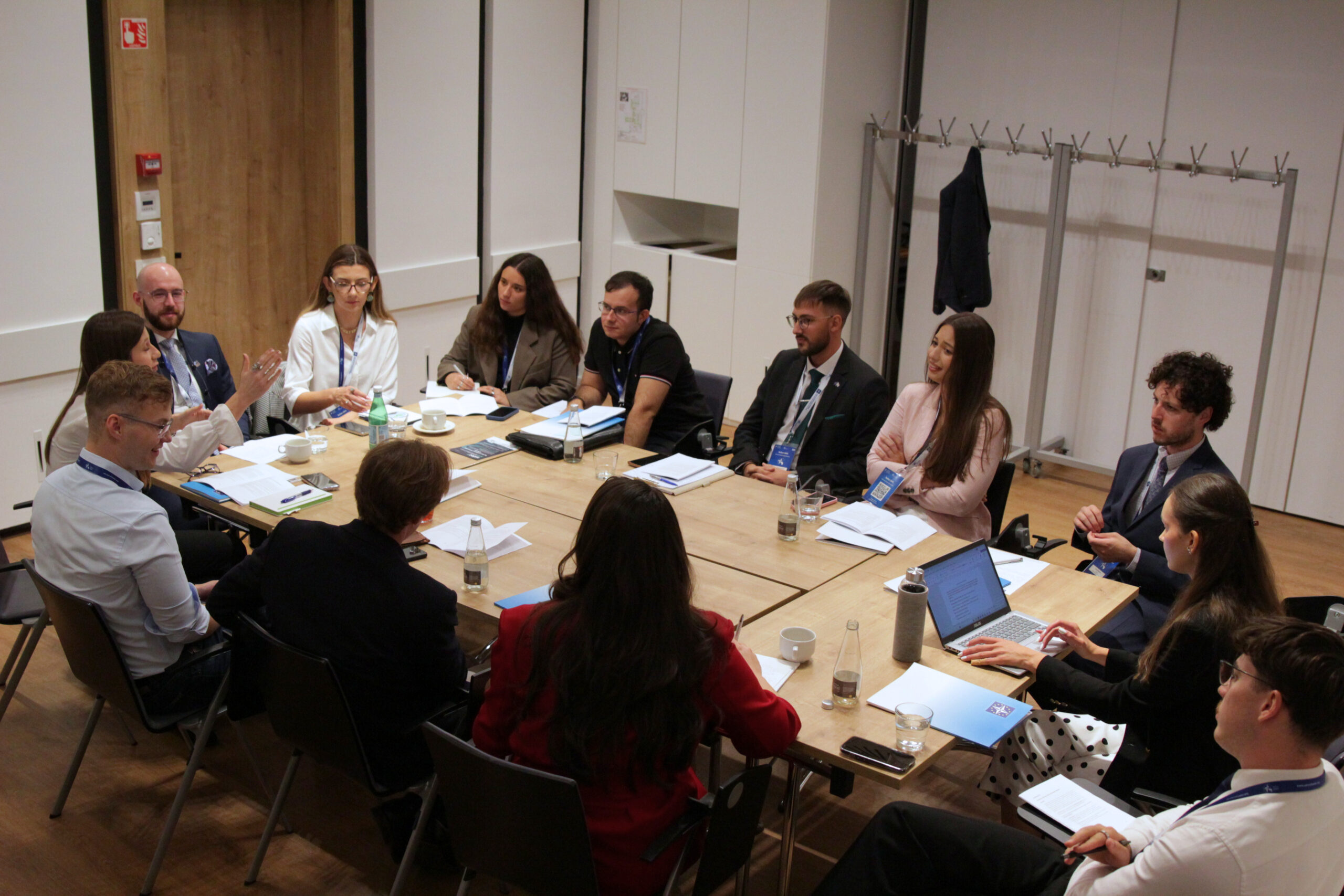 The workshop placed participants in the role of an informal North Atlantic Council advisory group responding to a coordinated grey-zone campaign against a NATO Eastern Flank Ally. The scenario included political coercion, military signalling, cyber incidents and hostile information operations, with ambiguous attribution and differing views among Allies.
Participants were asked to define thresholds for collective response, recommend signalling measures, manage internal Alliance disagreement and propose improvements to NATO’s readiness and decision-making in similar situations. The exercise encouraged them to move beyond theoretical discussion and engage with the political, operational and communication challenges that decision-makers face in real-world grey-zone crises.
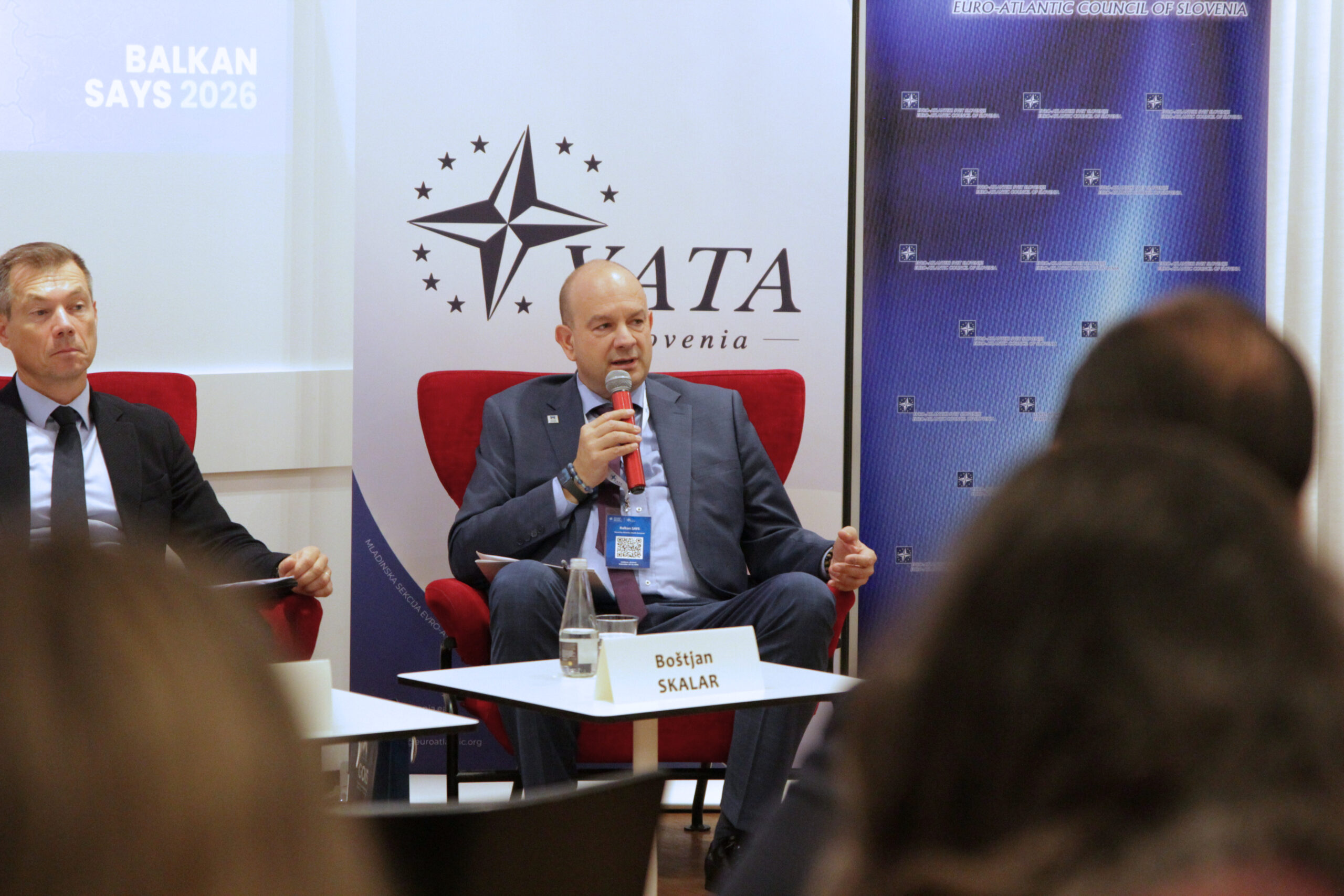
Panel II: From pledges to capability

The second day of the conference opened with Panel II, “From Pledges to Capability: Are We Delivering on Defence Commitments?”
The panel addressed one of the most important questions for the future credibility of NATO’s deterrence and defence posture: how to translate political commitments and increased defence spending into concrete military capabilities.
Speakers discussed the implementation of NATO capability targets and defence investment commitments, the development of Europe’s defence industrial base, NATO–EU cooperation in capability development and the role of smaller Allies in generating meaningful contributions to collective defence.
The panel featured:
-
- Mr Mateo Osterhagen-Zalles, Deputy Director, Defence Planning Directorate, NATO Defence Policy and Planning Division;
- Mr Uroš Lampret, Defence Counselor, Permanent Delegation of Slovenia to NATO; former State Secretary at the Ministry of Defence of the Republic of Slovenia;
- Mr Boštjan Skalar, Director of the Slovenian Defence Industry Cluster.
The discussion was moderated by Maša Omahen, member of YATA Slovenia.
The panel highlighted that NATO’s future credibility depends not only on financial commitments, but on the ability of Allies to develop deployable forces, modern equipment, sufficient stockpiles, resilient infrastructure, sustainable logistics and capabilities required for large-scale and protracted defence.
Workshop II: Managing a security crisis in the Western Balkans
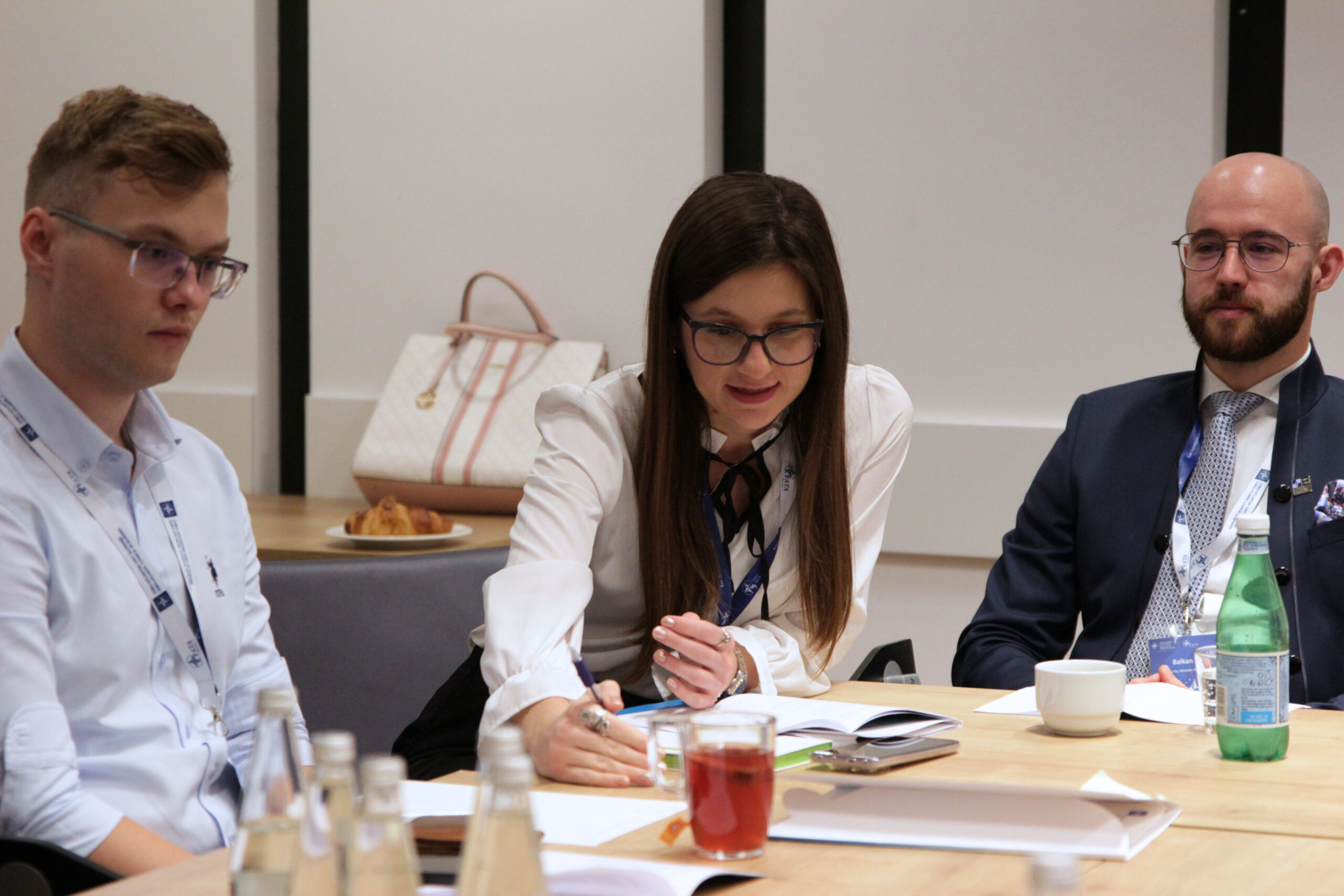
The second workshop, “Managing a Security Crisis in the Western Balkans,” focused on a scenario of a developing political and security crisis in Bosnia and Herzegovina.
Participants assumed the role of advisers to the European Union’s Political and Security Committee. They were asked to define the EU’s primary objective, recommend priority measures, manage escalation risks and propose indicators of success within a 60–90 day timeframe.
The scenario addressed challenges related to institutional fragility, unilateral actions by political actors, external influence, information campaigns, the role of EUFOR Althea and the limits of existing international instruments. The workshop allowed participants to examine the Western Balkans not only as a regional issue, but as a wider European security concern requiring strategic attention, institutional coordination and political clarity.
One-on-One Discussion: The future of diplomacy
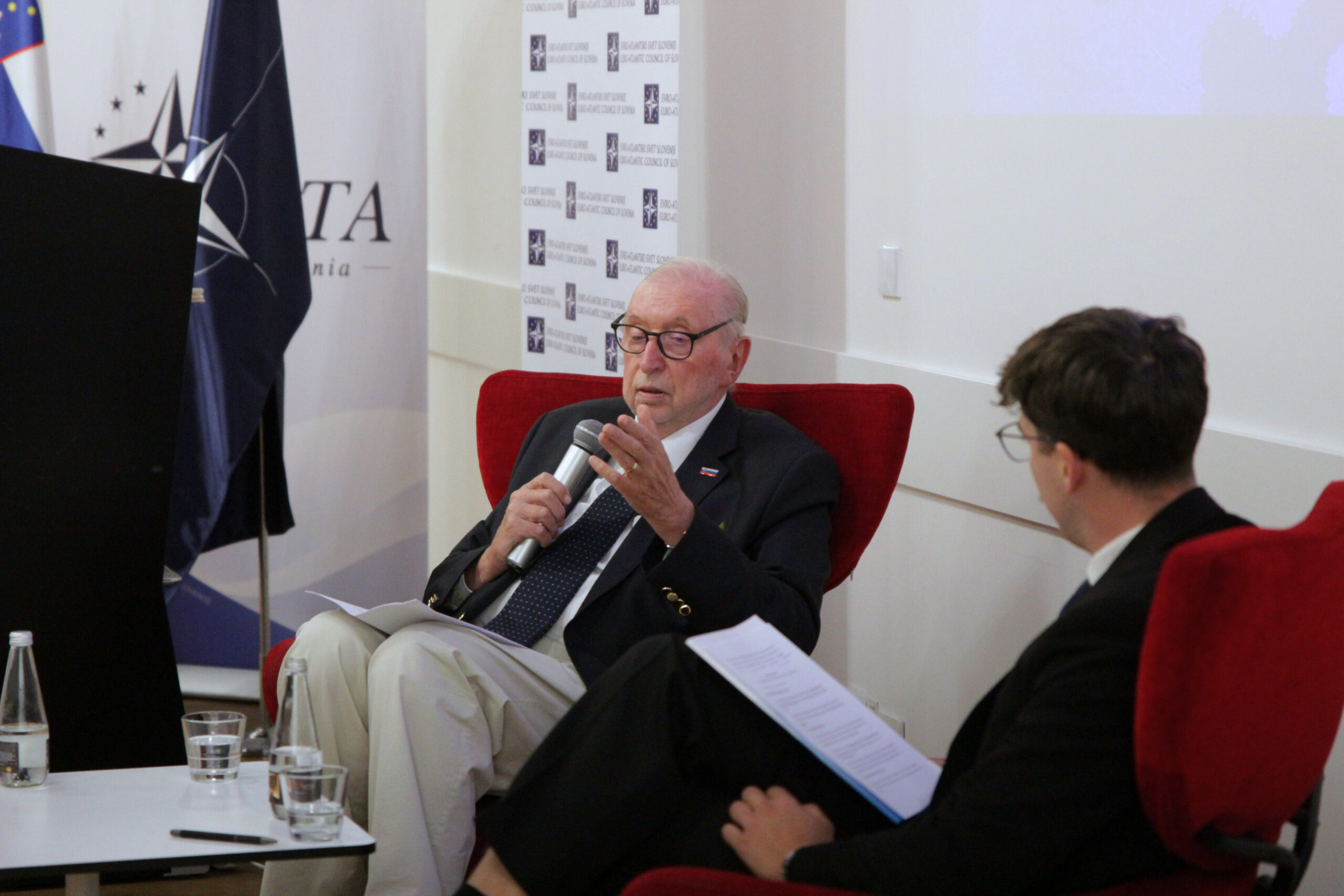
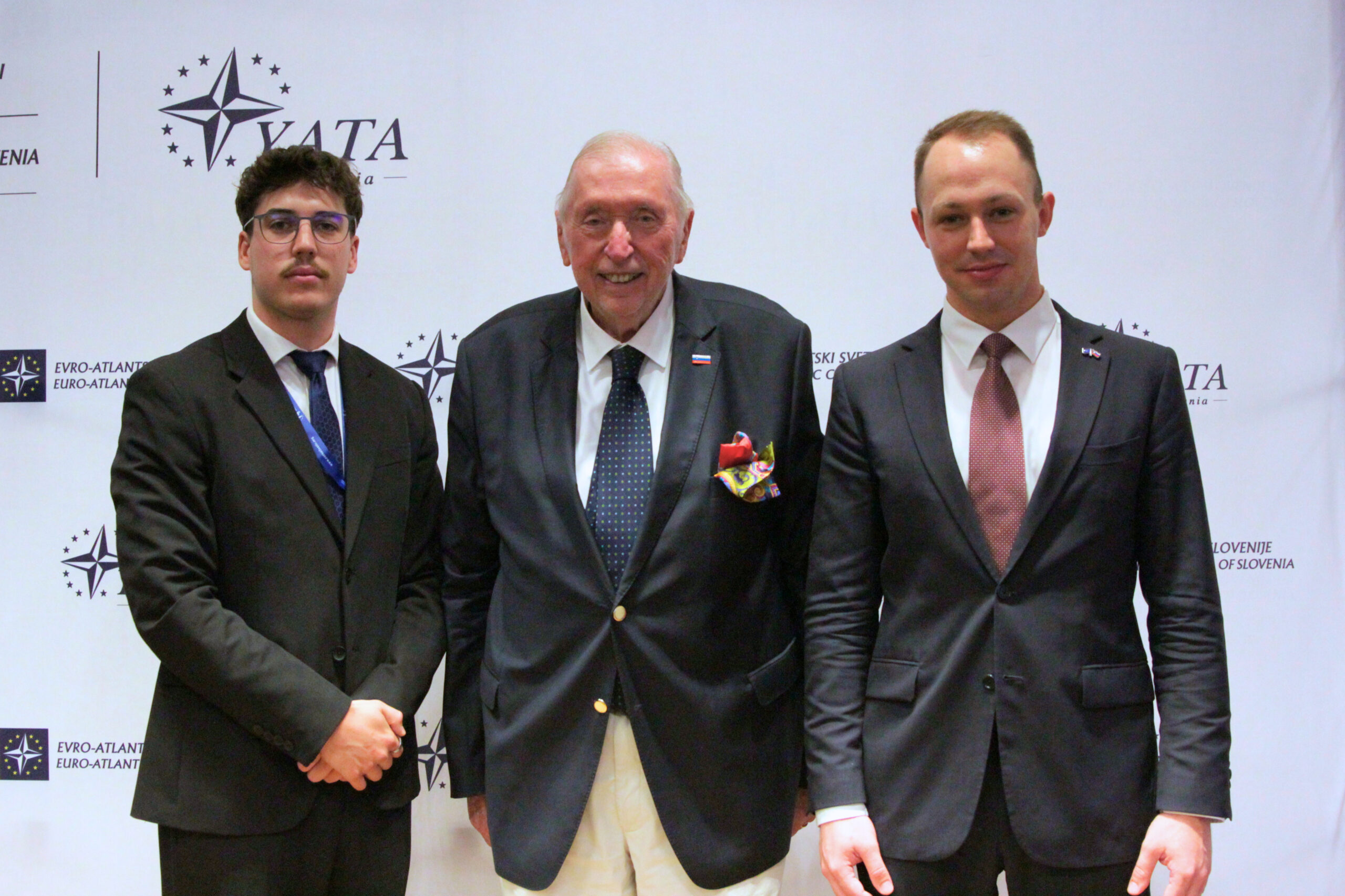
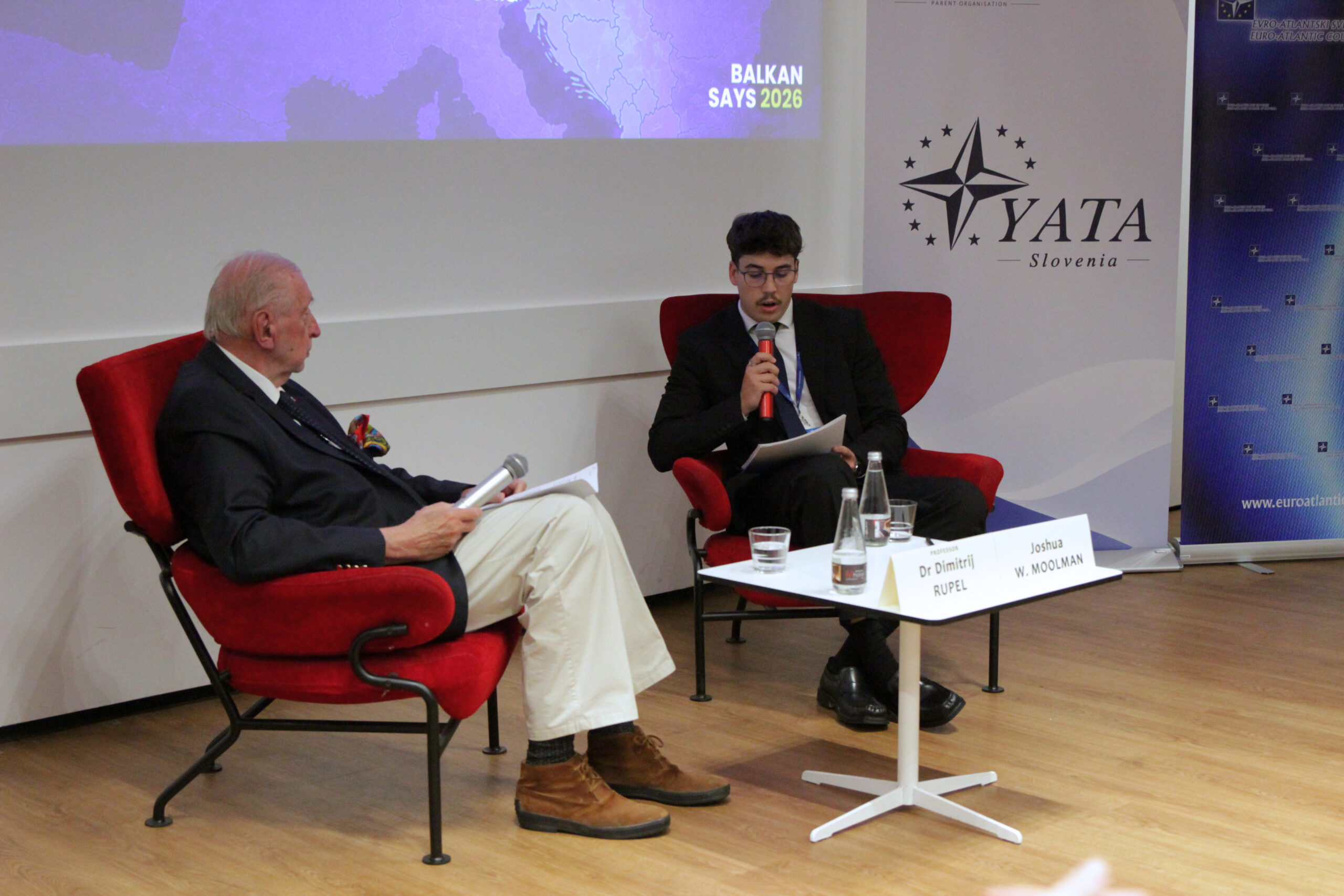
The programme also included two one-on-one discussions with distinguished guests. The first discussion, “The Future of Diplomacy in an Evolving and Fragmented World Order,” featured Prof. Dr Dimitrij Rupel, Slovenia’s first Minister of Foreign Affairs, former Ambassador of the Republic of Slovenia to the United States and one of the central figures in the development of Slovenian foreign policy.
The discussion reflected on how diplomacy is changing in a more fragmented, contested and unpredictable international environment. It addressed the role of smaller states, the pressure on multilateral institutions, the changing nature of diplomatic practice and the lessons that younger generations of foreign policy professionals can draw from Slovenia’s diplomatic experience.
The conversation was moderated by Joshua W. Moolman, member of YATA Slovenia.
Panel III: The Western Balkans as a security stress test
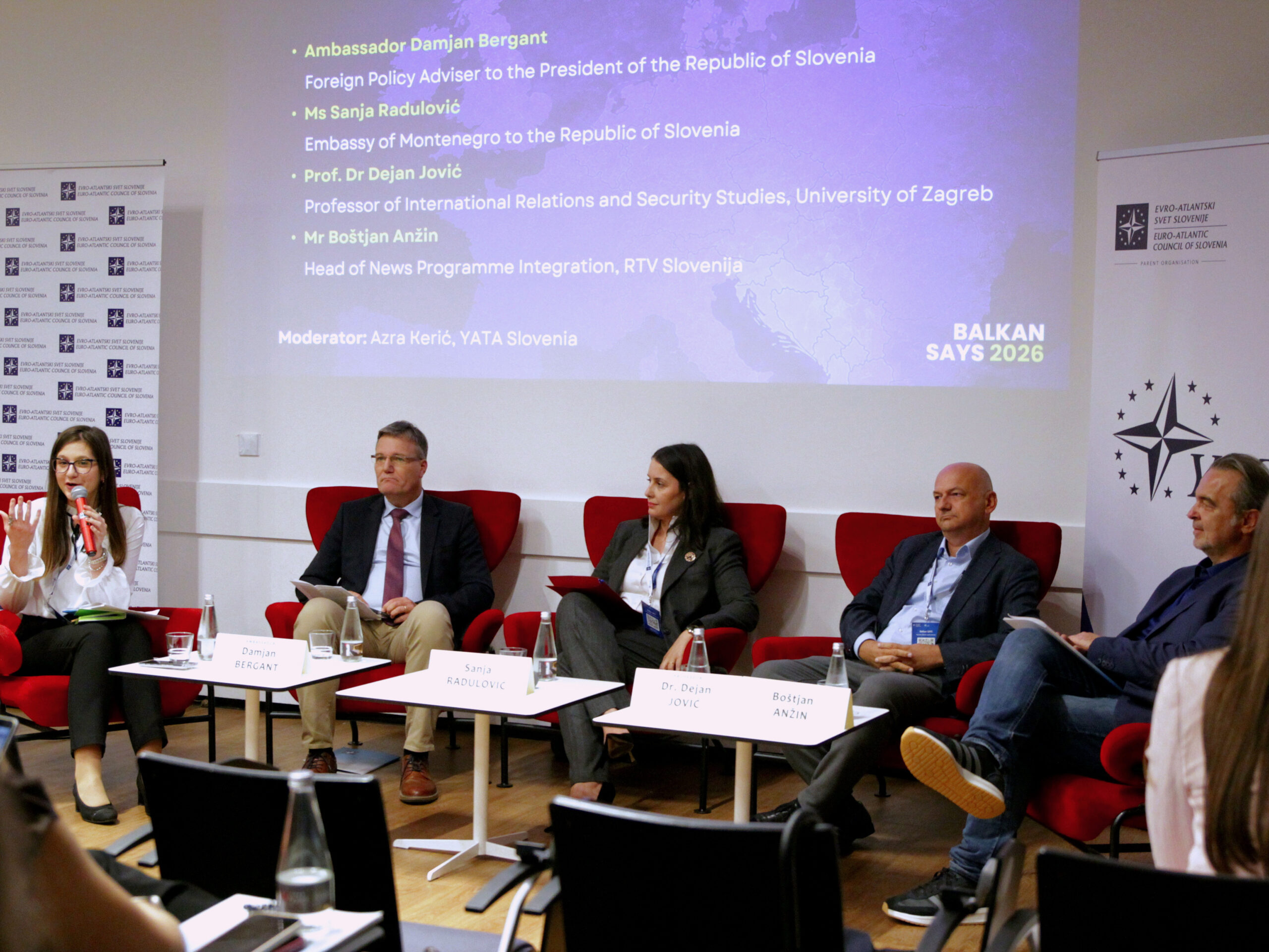
Panel III, “The Western Balkans as a Security Stress Test: EU Enlargement Credibility and Regional Stability,” examined the Western Balkans as a region where questions of democratic reform, institutional resilience, external influence and EU credibility intersect.
The discussion focused on whether developments in the region can generate wider European security risks, how institutional weaknesses shape the region’s trajectory, what role external actors play, and how the credibility of EU enlargement policy affects long-term stability.
The panel featured:
-
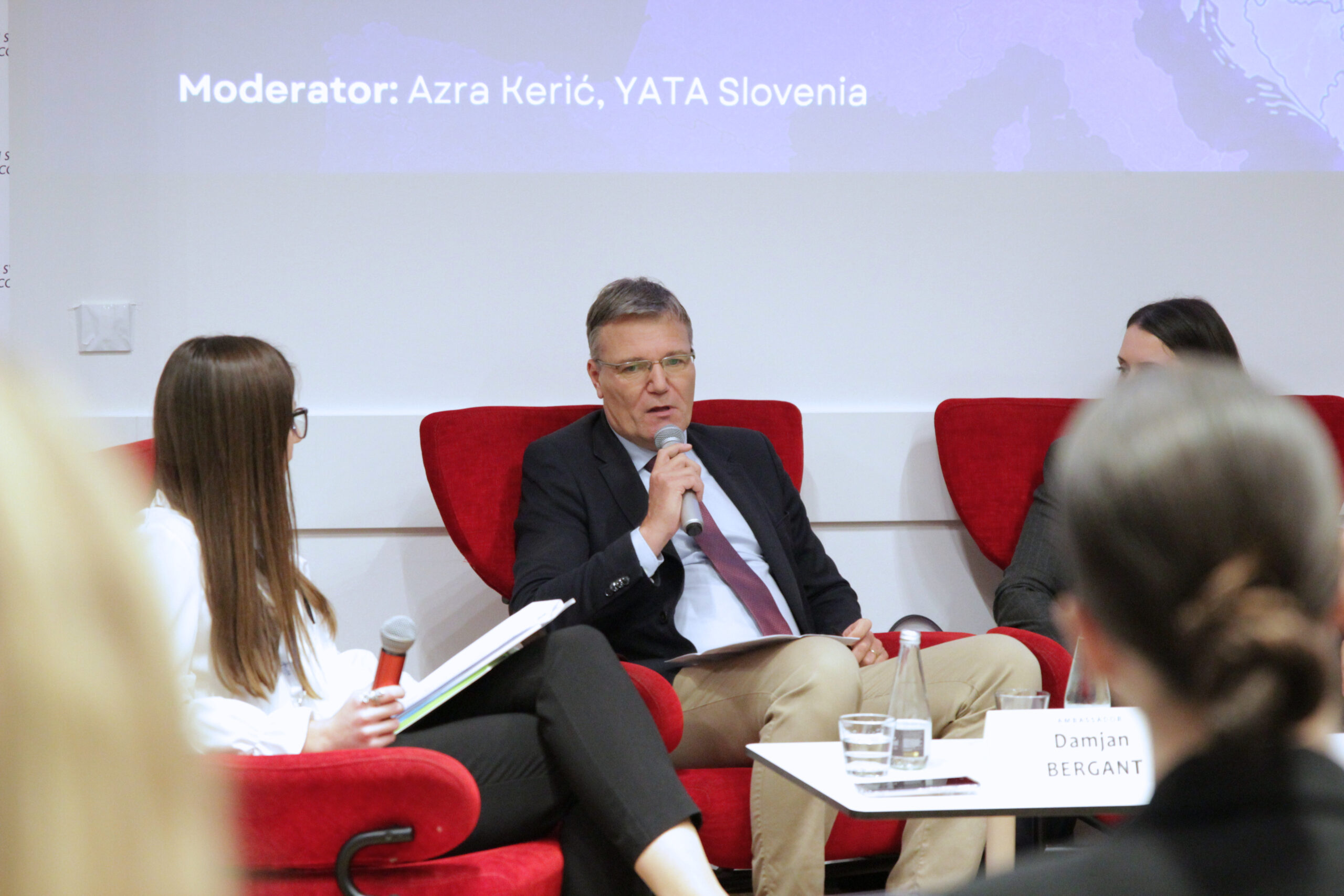
- Ambassador Damjan Bergant, Foreign Policy Adviser to the President of the Republic of Slovenia; former Ambassador of the Republic of Slovenia to Serbia;
- Ms Sanja Radulović, First Counsellor, Embassy of Montenegro in the Republic of Slovenia;
- Prof. Dr Dejan Jović, Professor of International Relations and Security Studies, University of Zagreb;
- Mr Boštjan Anžin, Head of News Programme Integration, RTV Slovenija; former Balkan Correspondent and Bureau Chief.
The discussion was moderated by Azra Kerić, member of YATA Slovenia.
The panel underlined that the Western Balkans remain a strategically important part of the Euro-Atlantic area. The credibility of enlargement, the resilience of institutions and the ability of Europe to respond consistently to regional challenges will continue to shape both regional stability and the wider European security environment.
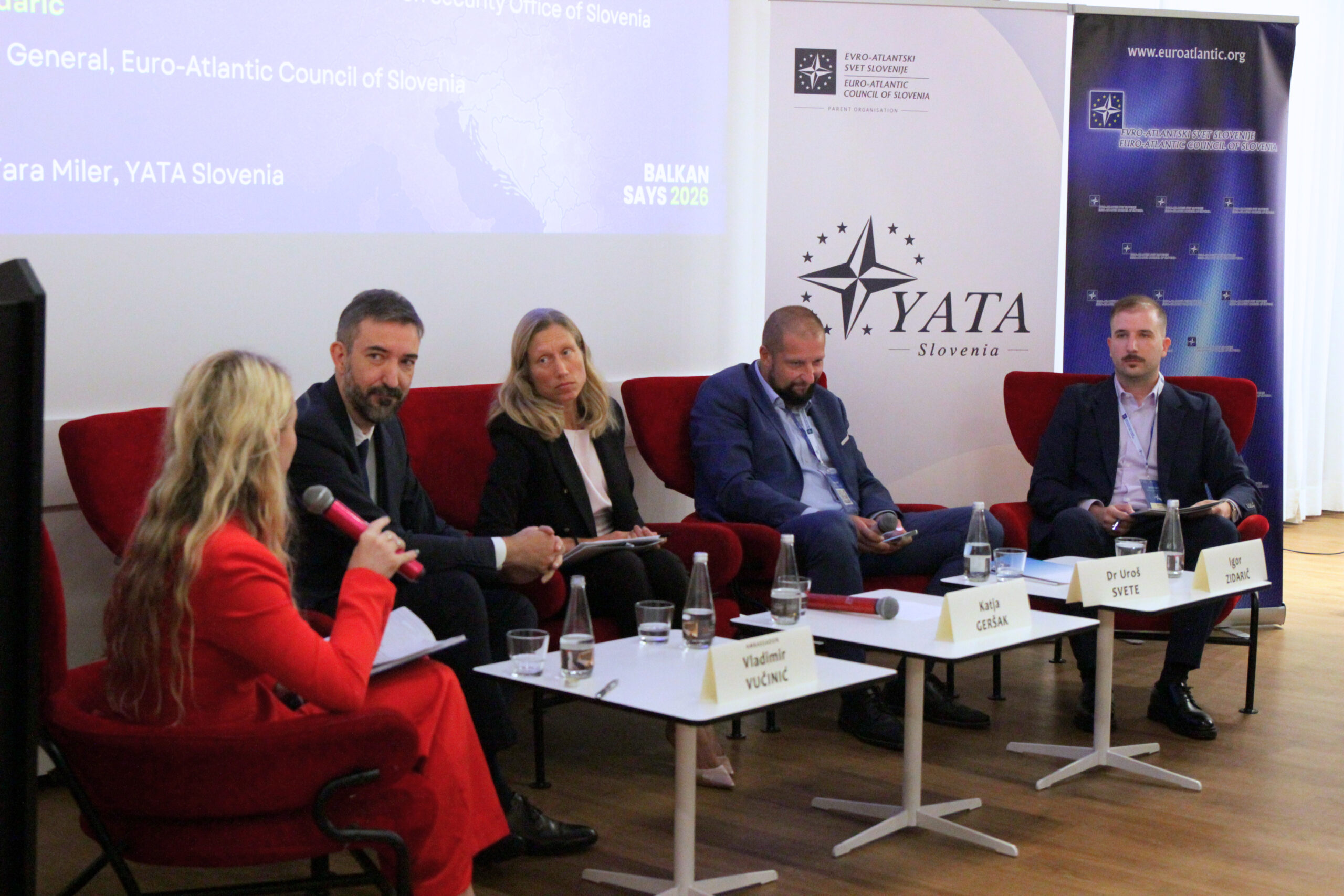
Panel IV: Hybrid threats and external influence
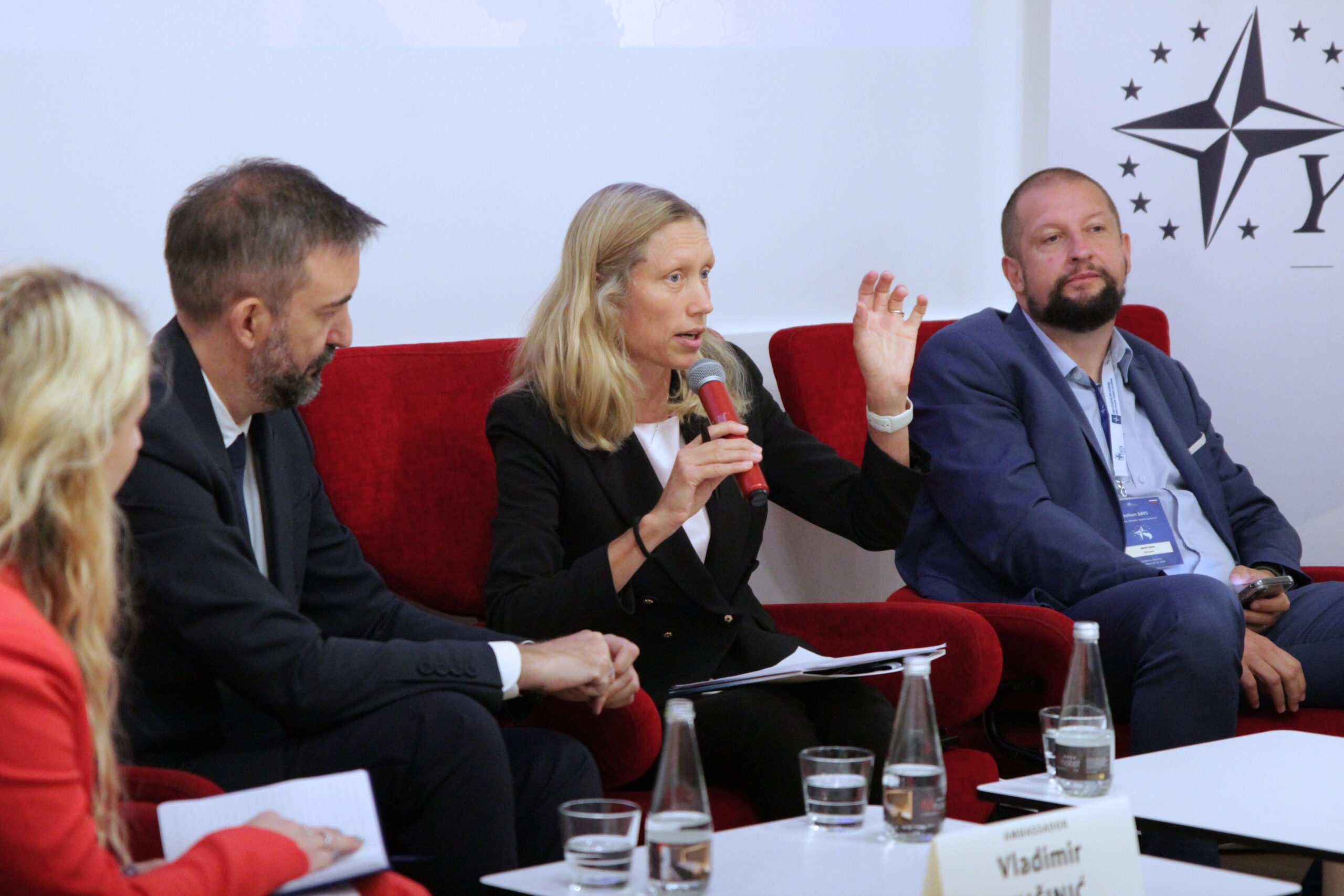
The final panel, “Are We Resilient Enough? Hybrid Threats and External Influence in the Euro-Atlantic Space,” addressed the growing sophistication of hybrid threats and foreign influence operations.
Speakers discussed the exploitation of the information environment, deterrence below the threshold of conventional conflict, vulnerabilities in critical infrastructure and the role of emerging technologies in shaping the grey zone.
The panel featured:
-
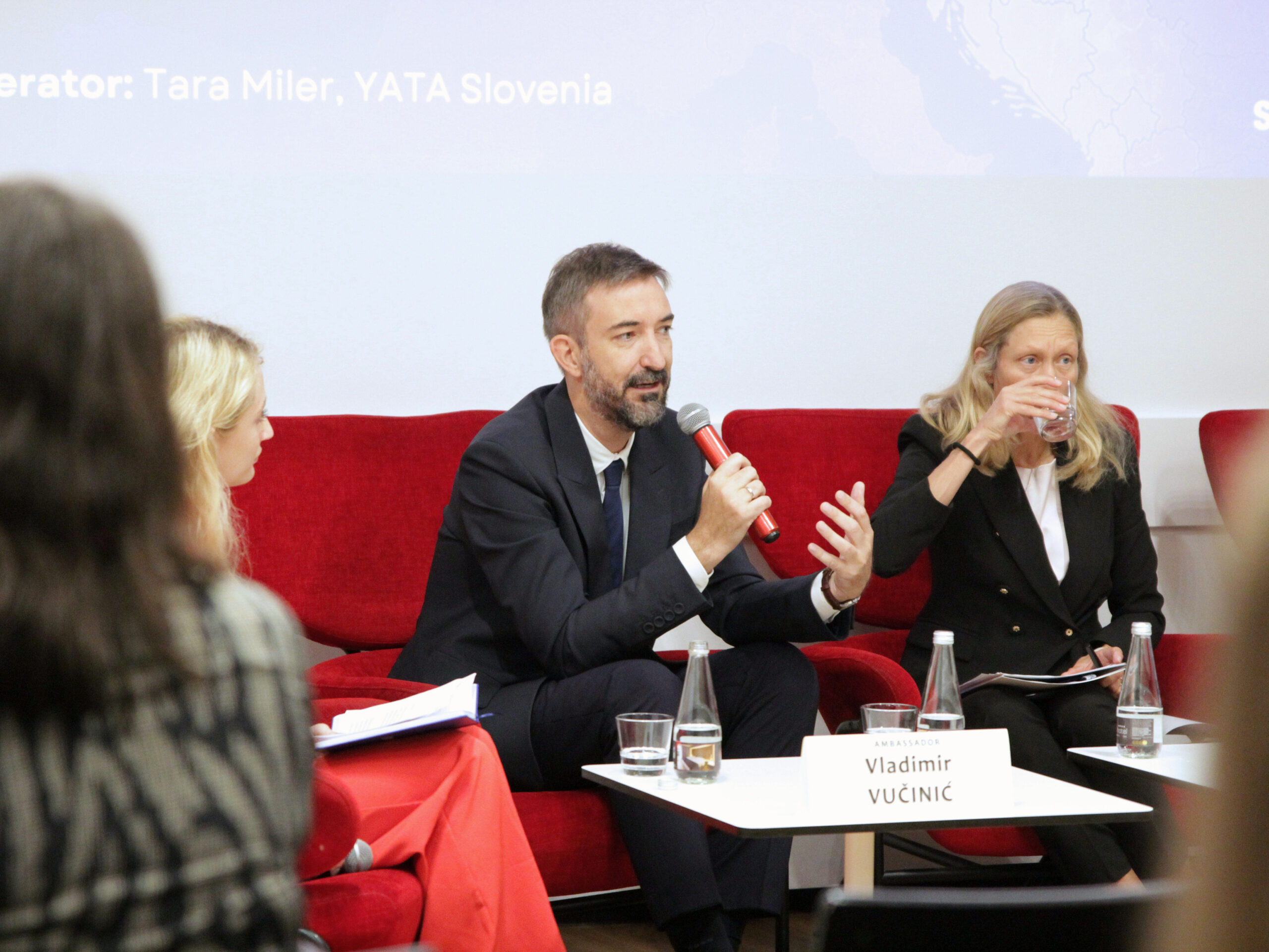
- Ambassador Vladimir Vučinić, Head of the NATO Political Engagement Support Cell in Bosnia and Herzegovina; former Director General for NATO and Security Policy at the Ministry of Foreign Affairs of Montenegro;
- Ms Katja Geršak, Head of the Trivelis Institute for Defence, Security and Resilience; Co-Founder of Regional Dialogue;
- Dr Uroš Svete, Associate Professor at the University of Ljubljana; former Director of the Government Information Security Office of the Republic of Slovenia;
- Mr Igor Zidarič, Secretary General of the Euro-Atlantic Council of Slovenia.
The discussion was moderated by Tara Miler, member of YATA Slovenia.
The panel concluded that resilience must be understood as a whole-of-society effort, involving institutions, civil society, media, infrastructure, technology and citizens. Hybrid threats operate across sectors and below traditional thresholds, which makes strategic awareness, coordination and preparedness essential.
One-on-One Discussion: Europe’s strategic role in the Western Balkans
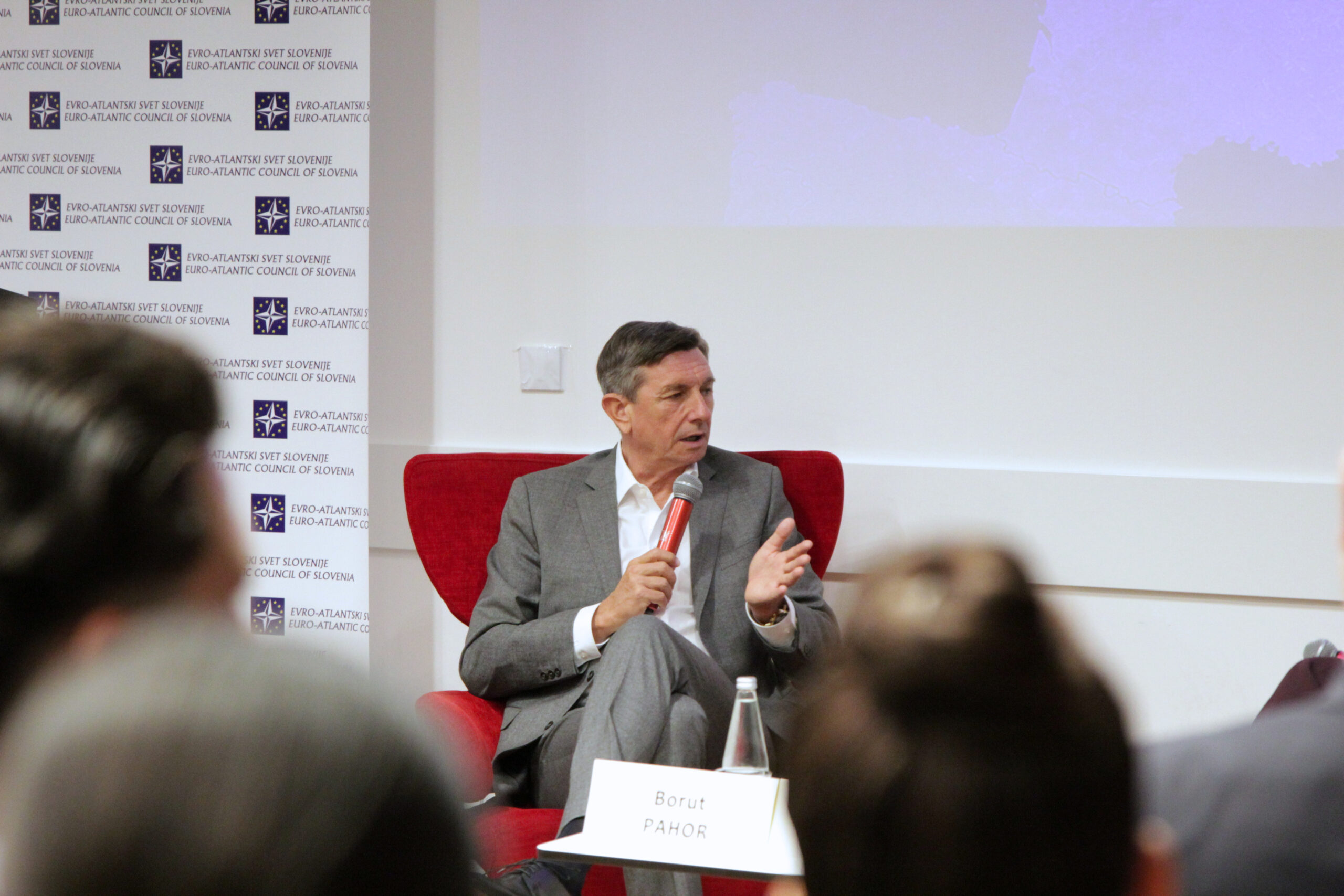
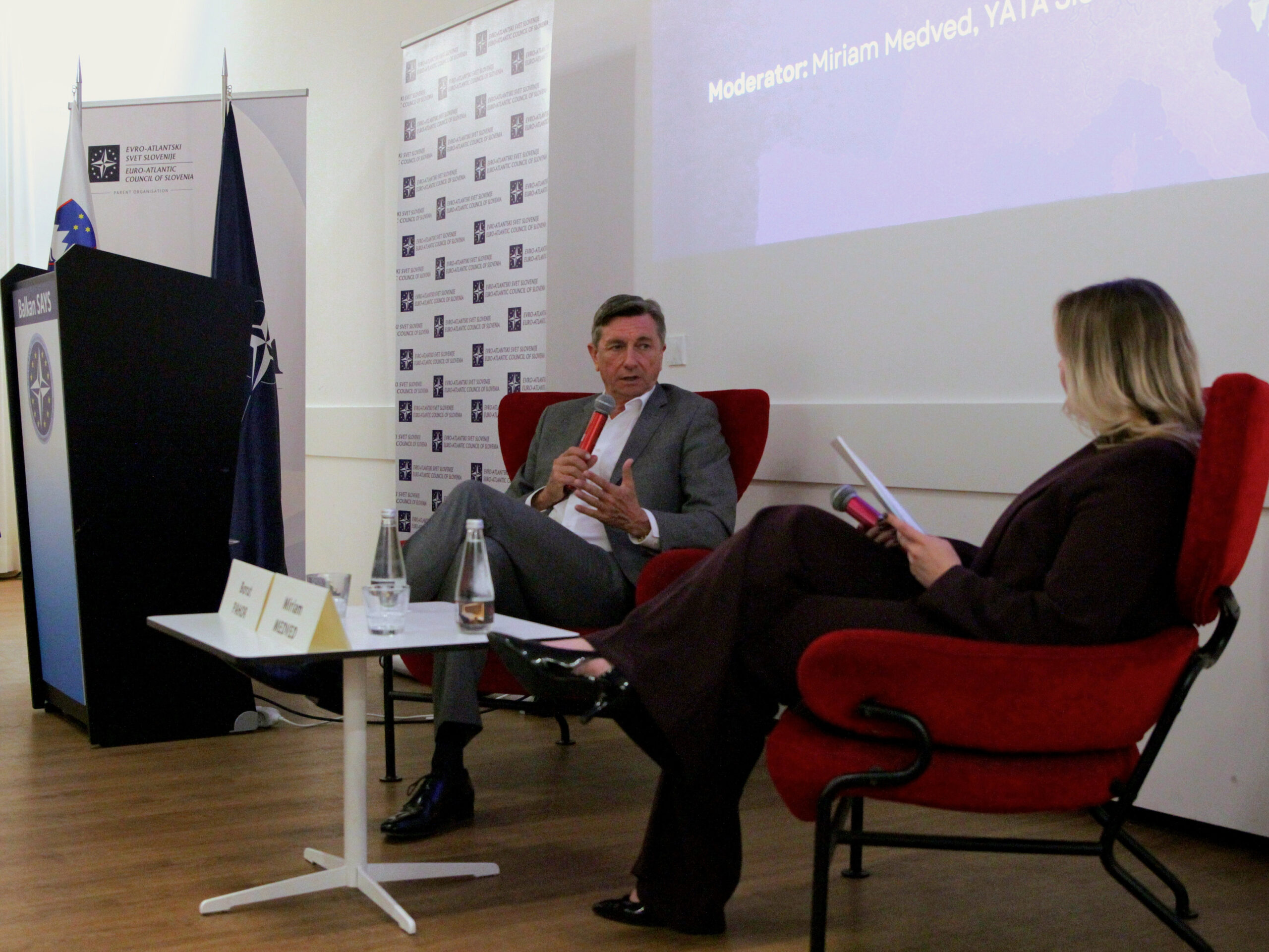
The programme concluded with a one-on-one discussion titled “Europe’s Strategic Role in the Western Balkans in a Changing World Order”. We hosted Mr Borut Pahor, former President of the Republic of Slovenia, Prime Minister, President of the National Assembly and Founder and Director of the Friends of the Western Balkans Institute.
The discussion explored Europe’s role in the Western Balkans at a time when enlargement, democratic reform, geopolitical competition and regional stability are becoming increasingly interconnected. The conversation addressed the credibility of the EU enlargement process, the influence of external actors, the strategic importance of the region for Europe, and Slovenia’s role as a country with strong historical, political and human ties to the Western Balkans.
The discussion was moderated by Miriam Medved, member of YATA Slovenia.
Strengthening networks and youth engagement
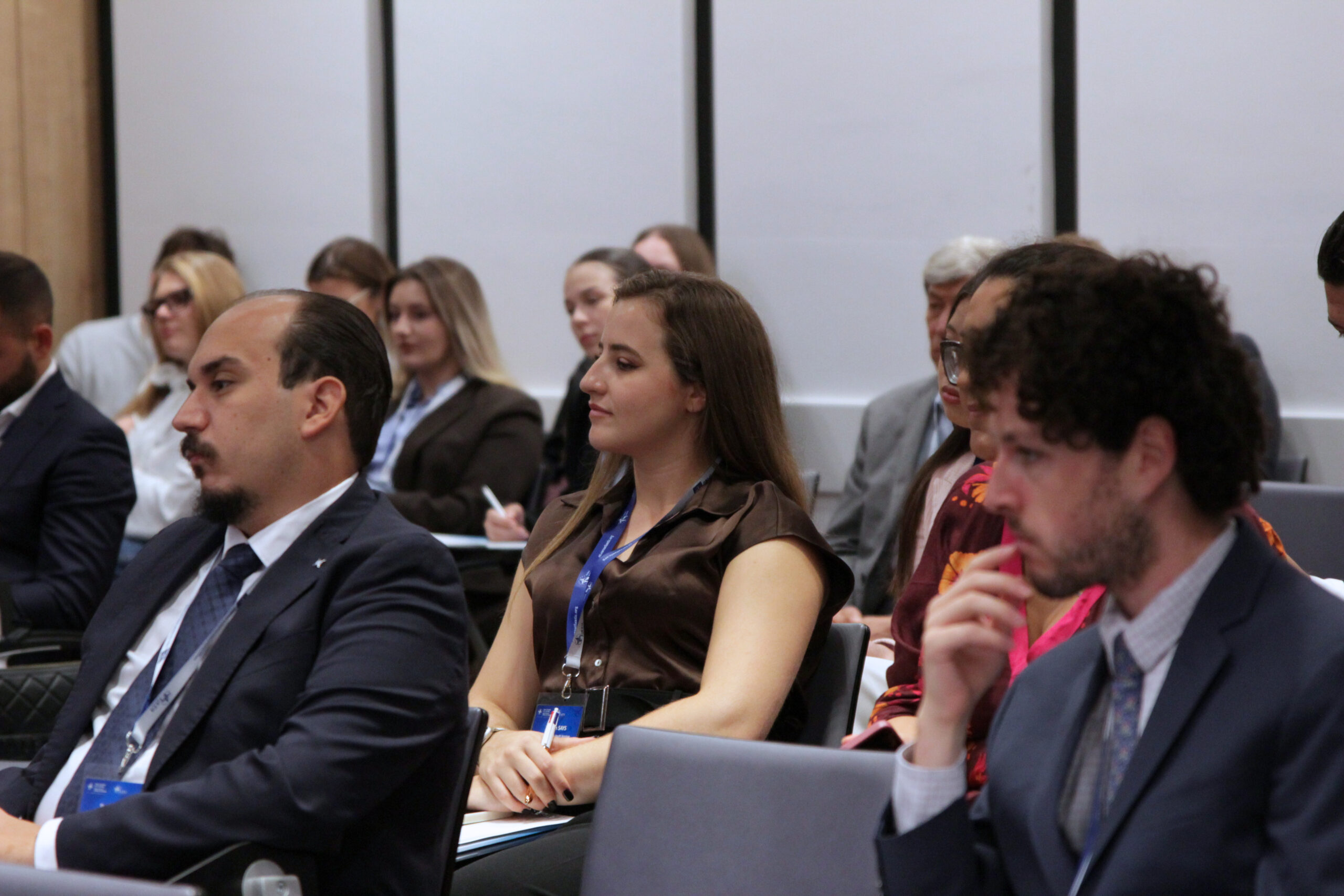
Beyond the formal programme, Balkan SAYS 2026 provided participants with opportunities for networking, informal exchange and long-term cooperation.
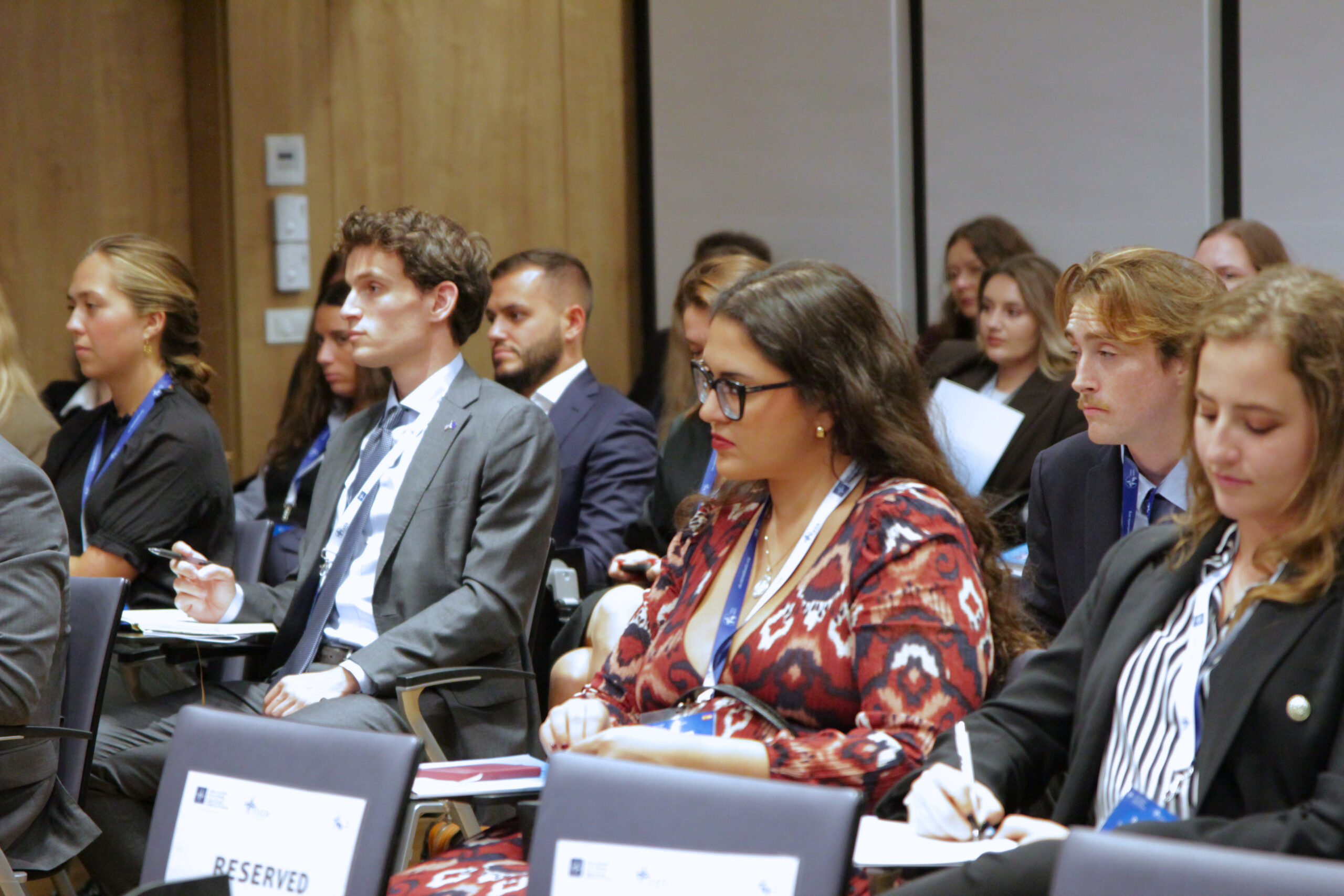
Participants came from Slovenia, the Western Balkans, Europe, North America and the wider Euro-Atlantic area. Their backgrounds included security studies, defence, diplomacy, international relations, European affairs, public policy, journalism, civil society and research.
The international and interdisciplinary nature of the group contributed to the quality of discussions and created a strong sense of shared purpose. For many participants, Balkan SAYS was not only an academic or professional event, but also an opportunity to build friendships, exchange perspectives and become part of a wider Euro-Atlantic youth network.
The conference also demonstrated the importance of youth engagement in discussions on security and foreign policy. Young professionals are not only future leaders; they are already active contributors to public debate, policy thinking and international cooperation.
A successful edition and a strong foundation for the future
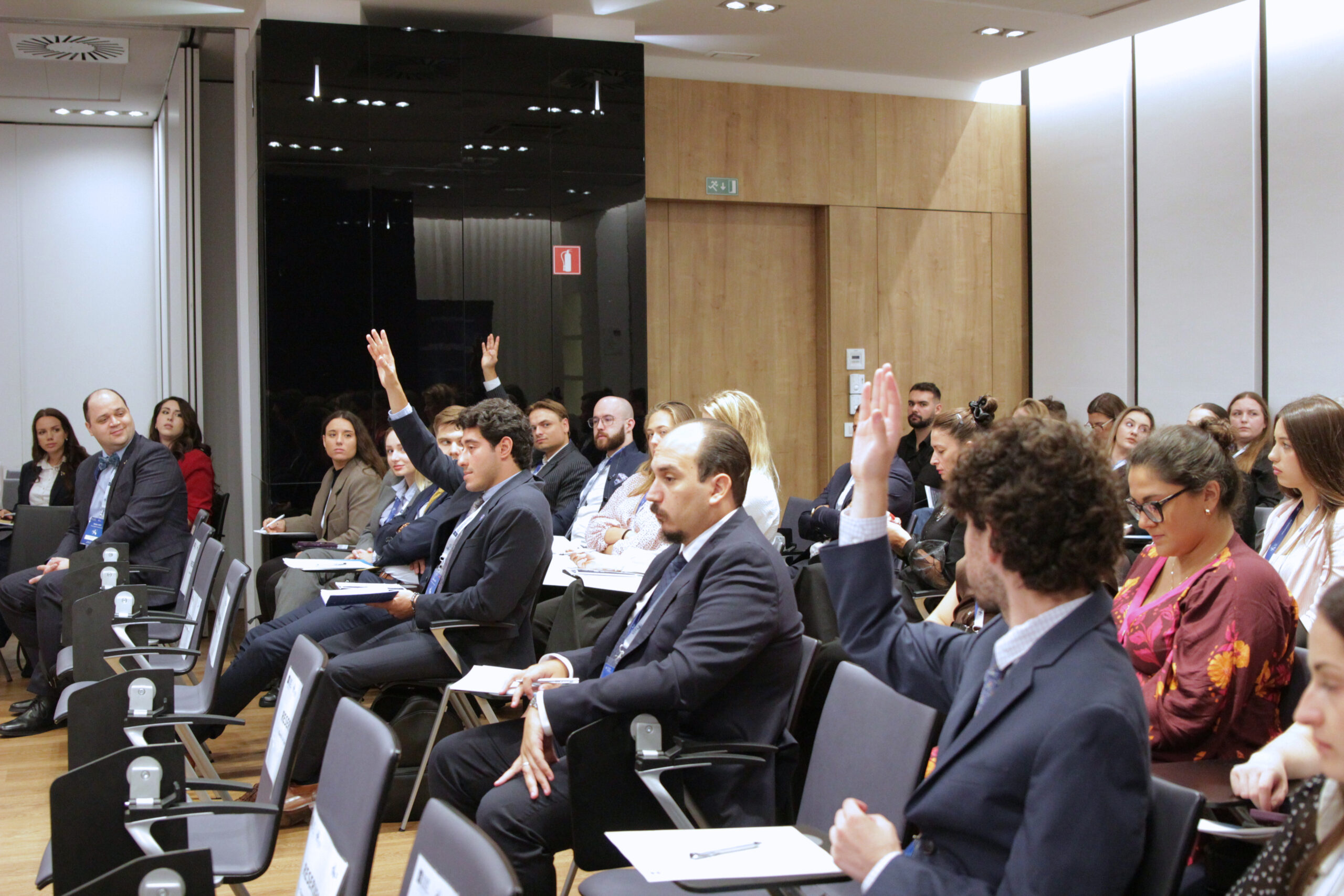
Balkan SAYS 2026 confirmed the continued relevance of the conference as a platform for Euro-Atlantic dialogue, youth engagement and regional cooperation.
This year’s edition successfully combined high-level representation with substantive expertise. It brought together senior speakers and young professionals in a format that encouraged open discussion, critical thinking and direct engagement.
The organisers are especially grateful to all speakers, participants, partners, supporters and members of the organising team who contributed to the success of the conference.
The 14th edition of Balkan SAYS also laid an important foundation for the future. Next year, we will host the 15th, jubilee edition of Balkan SAYS, with the ambition to further strengthen the conference, expand its reach and open a new chapter in the Balkan SAYS story.
About Balkan SAYS and YATA Slovenia
Balkan SAYS – Security Atlantic Youth Seminar is an international youth security conference organised by the Euro-Atlantic Council of Slovenia and YATA Slovenia. It brings together young professionals from the Western Balkans, the Euro-Atlantic area and beyond to discuss key security, defence, diplomatic and societal challenges.
Through panels, workshops, keynote speeches, one-on-one discussions and networking, Balkan SAYS aims to strengthen informed dialogue, youth engagement and Euro-Atlantic cooperation.
YATA Slovenia is the Youth Section of the Euro-Atlantic Council of Slovenia and part of the international network of Youth Atlantic Treaty Association chapters. Its mission is to promote dialogue, education and youth engagement in the fields of Euro-Atlantic security, NATO, transatlantic relations, international cooperation and democratic resilience.
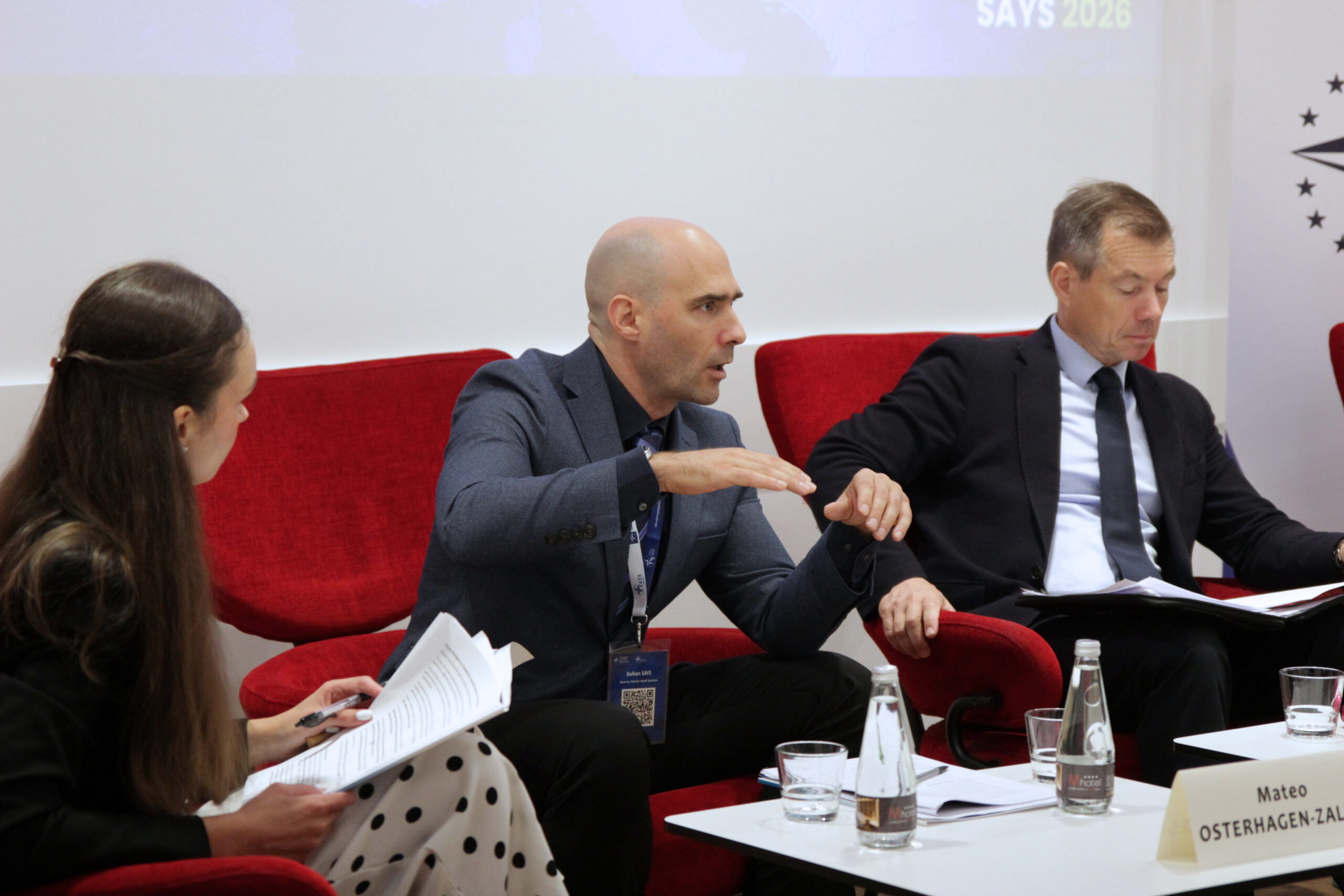
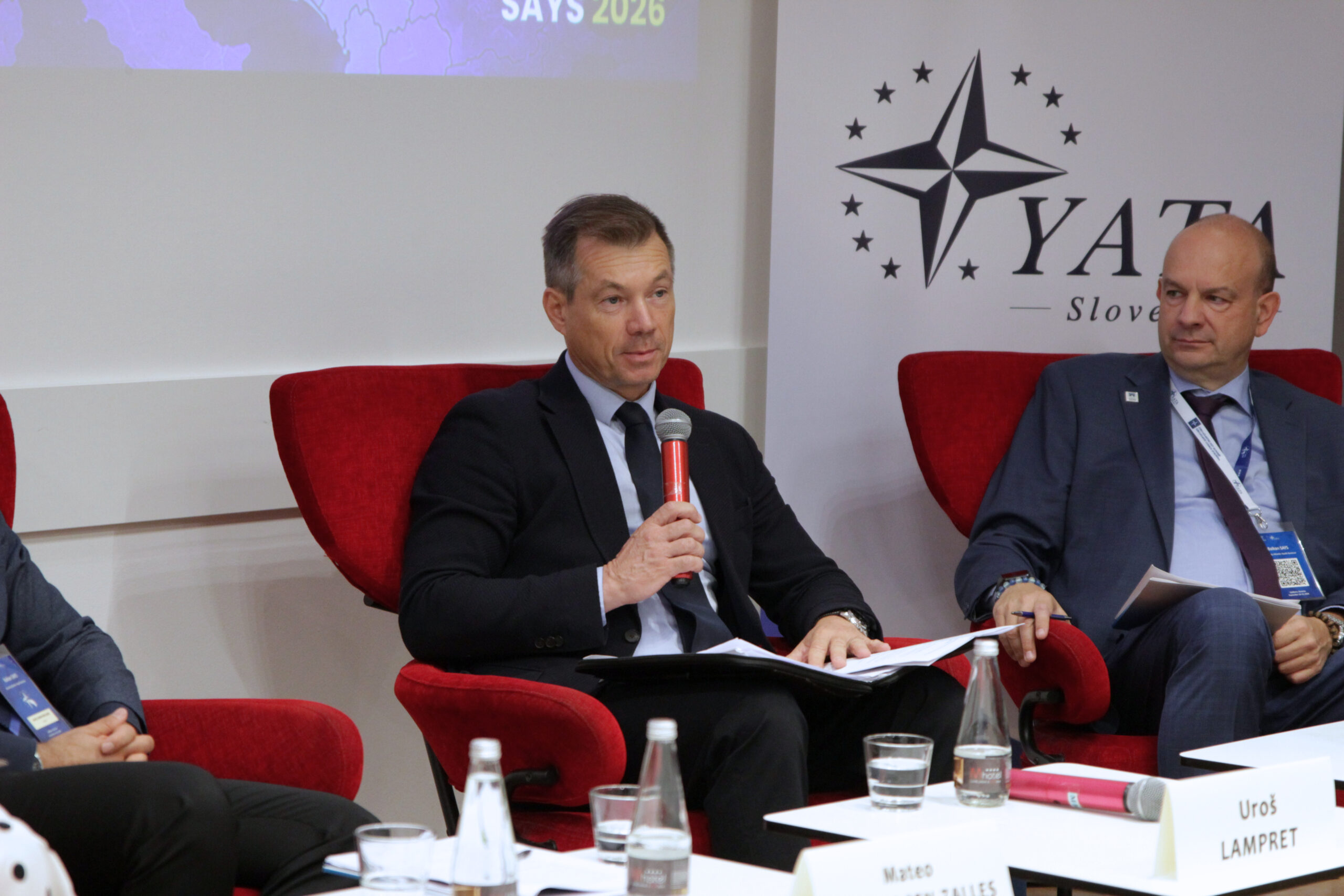
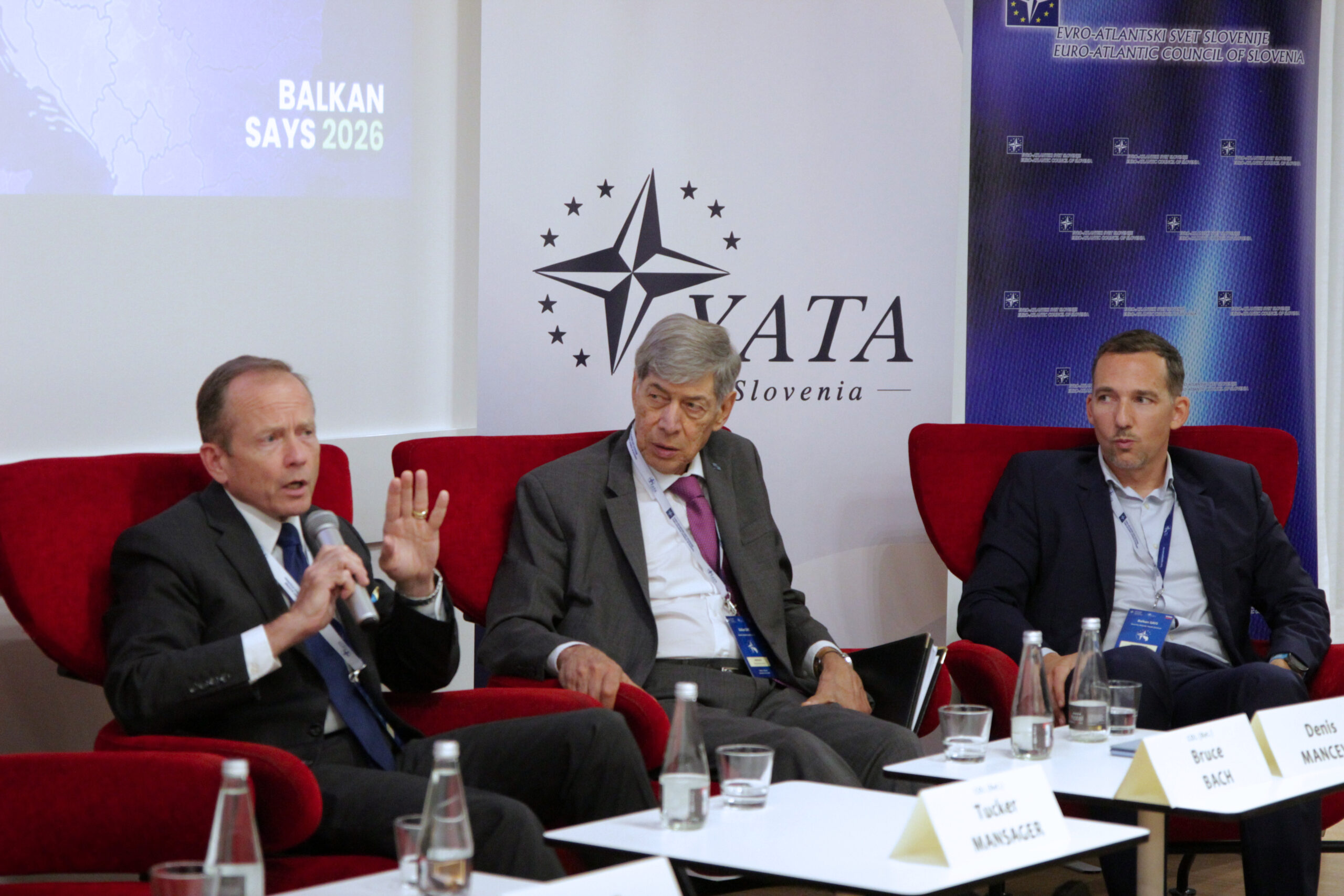
Balkan SAYS 2025
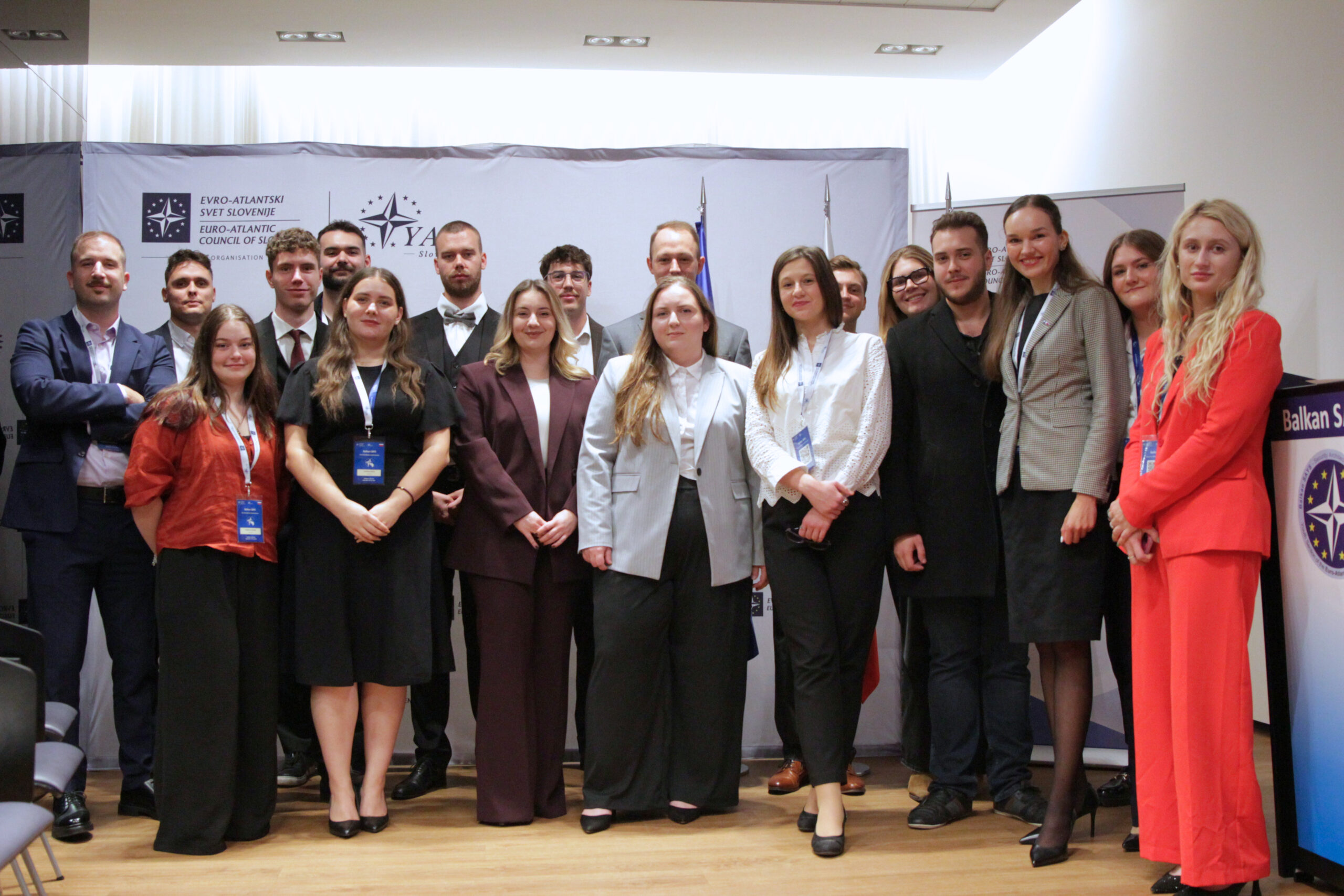
From 11 to 13 September 2025, the Euro-Atlantic Council of Slovenia successfully hosted the 13th edition of Balkan SAYS – Security Architecture Youth Seminar in Ljubljana.

This year’s edition brought together 71 participants, including 31 young professionals from 22 countries, 22 expert speakers, 15 young professionals from Slovenia, and 3 additional ad hoc experts, fostering open dialogue on some of the most pressing security challenges of our time. Over three days, participants engaged in five thematic panels, interactive workshops, a keynote lecture, and networking activities — all designed to encourage critical thinking, build mutual understanding, and strengthen cooperation among future security leaders.
The seminar opened with welcoming remarks by Dr Iztok Prezelj, President of the Euro-Atlantic Council of Slovenia (ATA), followed by Matic Kosirnik, President of the Youth Section of the Euro-Atlantic Council of Slovenia (YATA). The formal opening address was delivered by the Minister of Defence of the Republic of Slovenia, Mr Borut Sajovic, who underscored Slovenia’s strong commitment to youth engagement and international security cooperation.
Participants were further inspired by a keynote speech by Mr Borut Pahor, former President of the Republic of Slovenia, who reflected on the evolving security environment and emphasised the importance of strategic leadership and a geostrategic approach to stability in the Euro-Atlantic area and the Western Balkans.
At the heart of Balkan SAYS 2025 were five in-depth panel discussions that examined some of the most urgent and complex security challenges confronting the Euro-Atlantic area today.
 The seminar opened with a panel on defending NATO values and Europe’s role in upholding freedom, human rights, democracy, and the rule of law, which set a strategic tone for the days ahead. Speakers underlined that while NATO was founded on shared principles, values alone cannot guarantee peace or stability unless credible capabilities underpin them. The discussion focused on Europe’s responsibility to assume a greater share of the burden within NATO and to transform political commitments into concrete contributions. Participants explored how NATO’s 2025 capability targets will reshape European defence planning and force structures over the coming decade. They debated how the European Union can meaningfully support this effort through enhanced capability development, coordinated procurement, stronger NATO–EU alignment, and the long-term resilience of Europe’s defence industrial base. The panel made clear that ensuring Europe’s long-term security and credibility will require not only higher investments but also profound political, military, and industrial changes.
The second panel turned to frozen conflicts in the Western Balkans, examining how unresolved disputes continue to hinder regional stability and Euro-Atlantic integration. Speakers noted that legacies of the past—ranging from contested statehood and ethnic divisions to unsettled border issues—still shape political dynamics across the region, leaving space for external actors to exert influence. The debate emphasised that while these conflicts were not created by the current generation, they will not be resolved without its active involvement. Bottom-up initiatives, reconciliation efforts, and confidence-building measures were highlighted as essential tools to rebuild trust, strengthen regional cooperation, and re-energise the European and Euro-Atlantic integration process in the Western Balkans.
The third panel addressed equal opportunities and inclusion in security, stressing that representation is not a symbolic gesture but a core component of legitimacy, credibility, and operational effectiveness in defence and security institutions. Speakers underlined that inclusive structures enhance decision-making, reflect the societies they serve, and strengthen resilience in times of crisis. The discussion called for the full and equal integration of women across all levels of security policy and defence planning, arguing that diversity must be seen not as an optional ideal but as a strategic capability in itself.
 Building on this, the fourth panel examined the challenge of disinformation and media resilience in the Western Balkans, a region targeted by coordinated foreign and domestic influence campaigns. Participants discussed how disinformation erodes trust in institutions, fuels polarisation, and undermines democratic processes. The debate focused on the need to strengthen independent media, protect freedom of expression, and promote critical media literacy, particularly among youth, as vital components of national and regional security. Strengthening societal resilience, it was concluded, is as important as developing military capabilities.
The final panel looked beyond the immediate neighbourhood to explore cooperative security in NATO’s Southern flank, an area encompassing North Africa, the Middle East, and the Sahel. Speakers highlighted how instability in this region—driven by terrorism, protracted conflicts, migration pressures, and geopolitical competition—poses significant security risks to the Euro-Atlantic area. They stressed that NATO cannot afford to neglect the South while focusing primarily on its eastern flank, and called for a more coherent, coordinated, and responsible approach to addressing southern security challenges. This would require sustained political attention, closer cooperation with regional partners, and a clearer balance between deterrence, defence, and crisis prevention.
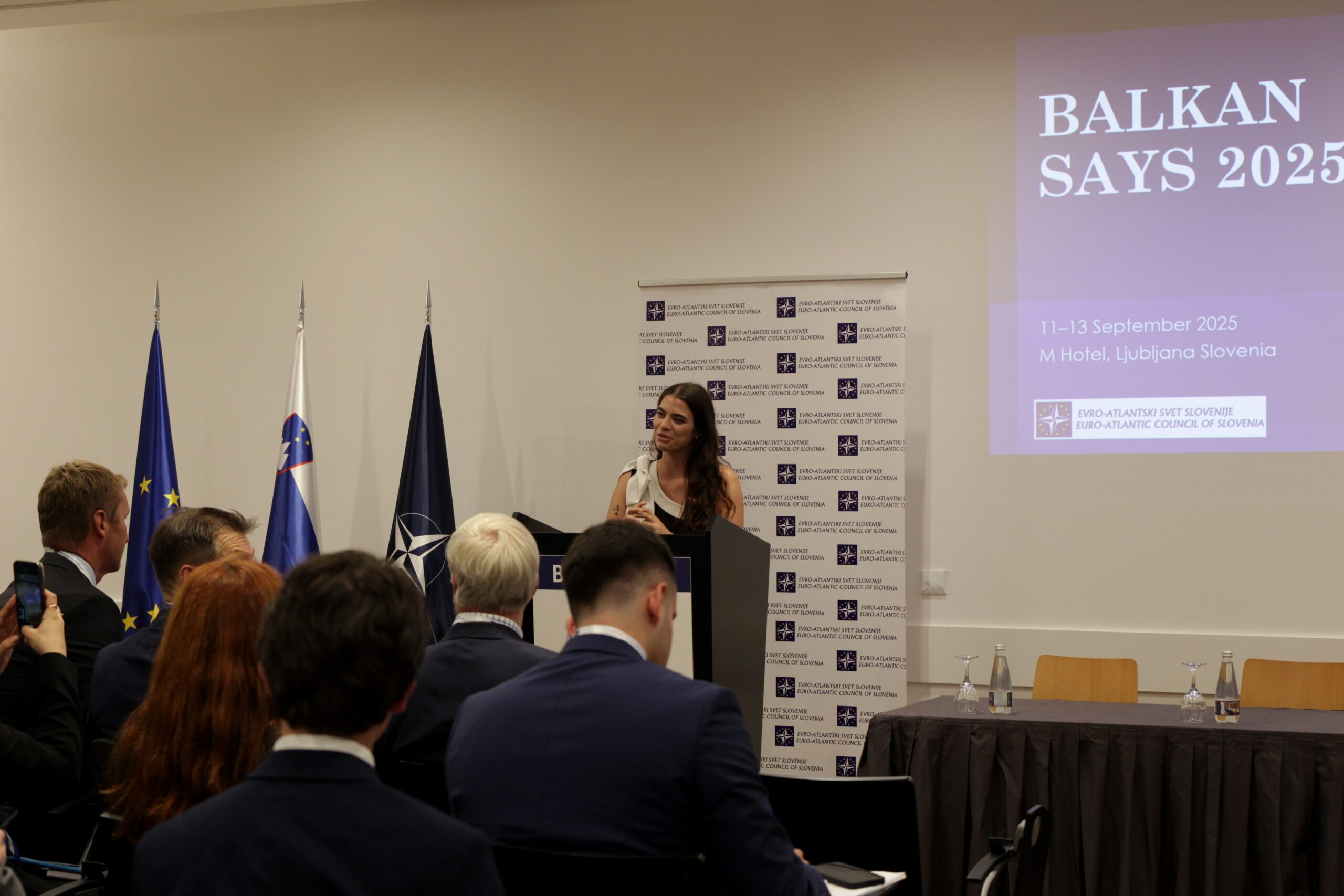 Together, these five panels illustrated how today’s security environment is deeply interconnected and rapidly evolving—and how addressing it requires new thinking, stronger cooperation, and the active engagement of the next generation of security professionals.
Balkan SAYS once again demonstrated the essential role of youth in international security policy. Through in-depth debates, collaborative workshops, and informal exchanges, participants brought fresh perspectives, critical questions, and innovative ideas to complex strategic challenges. The seminar was designed and implemented by the Youth Section of the Euro-Atlantic Council of Slovenia. The organising team of 17 members conceptualised the panels, shaped their content, and moderated the discussions, making this year’s seminar a truly youth-led initiative.
The Euro-Atlantic Council of Slovenia extends its sincere thanks to the Ministry of Defence of the Republic of Slovenia for its invaluable and long-standing support, and to all speakers, moderators, and participants who contributed to the success of this year’s edition.
We look forward to continuing this tradition of fostering dialogue, cooperation, and leadership — and to welcoming a new generation of young security professionals to Balkan SAYS 2026.


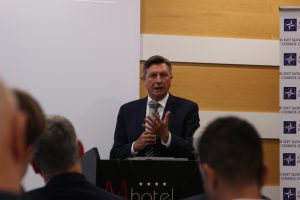
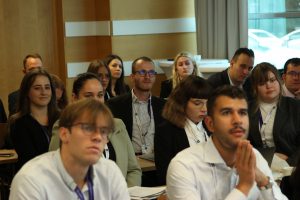
Balkan SAYS 2024
From 12 to 14 September 2024, the Euro-Atlantic Council of Slovenia hosted the 12th edition of the Balkan SAYS – Security Architecture Youth Seminar, organised by members of the Youth Section of the Council. The seminar brought together 29 participants from 17 countries and featured 20 distinguished speakers.
The first day focused on expert reflections from various countries marking the 75th anniversary of NATO’s founding. The second day featured three thematic panels addressing:
-
- building resilience against foreign information manipulation in the West,
- the impact of organised crime in the Western Balkans, and
- the revival of the EU enlargement policy.
The final day concluded with a panel on global partnerships and strategic competition, followed by an insightful lecture on the role of Artificial Intelligence in the fields of security, defence, and intelligence.
Balkan SAYS 2023
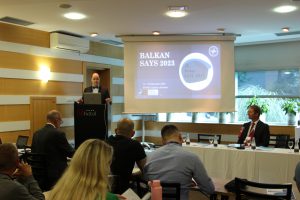
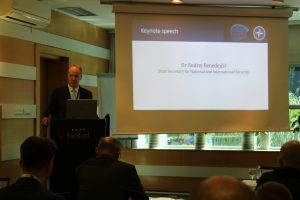
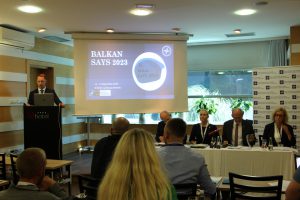
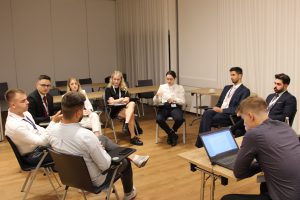
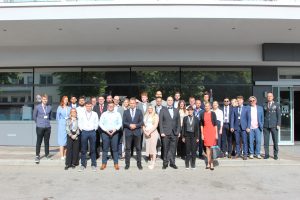
From 14 to 16 September 2023, the Euro-Atlantic Council of Slovenia hosted the 11th edition of the Balkan SAYS – Security Architecture Youth Seminar, organised by members of the Youth Section of the Council. The seminar brought together 32 participants from 13 countries and featured 17 distinguished speakers.
The first day focused on expert discussions on NATO enlargement. The second day featured panels addressing contemporary security issues in the Western Balkans, the war in Ukraine, and international partnerships for the 21st century. The final day concluded with a panel on emerging technologies and critical infrastructure.

Balkan SAYS 2022
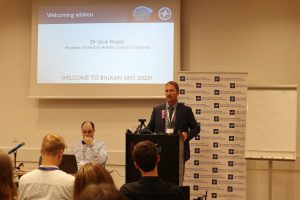
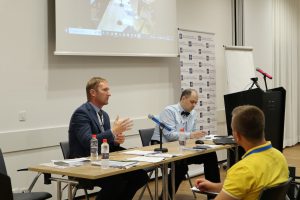
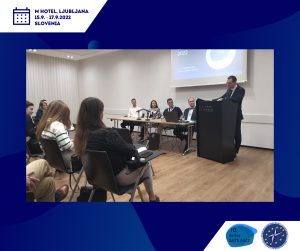
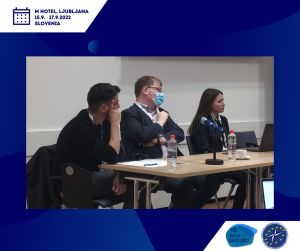
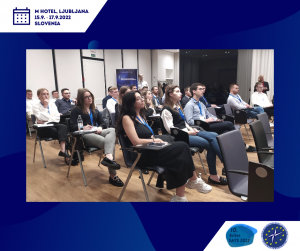
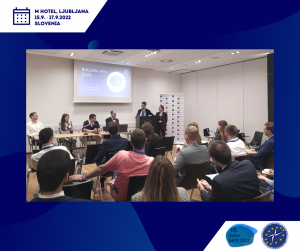
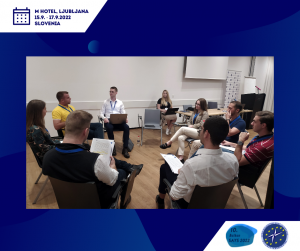
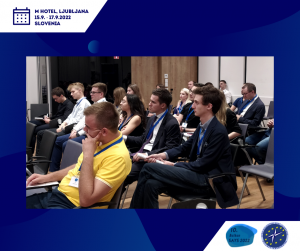
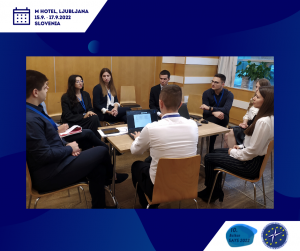
From 15 to 17 September 2022, the Euro-Atlantic Council of Slovenia hosted the 10th edition of the Balkan SAYS – Security Architecture Youth Seminar, organised by members of the EASS Youth Section. The seminar brought together 23 participants from 11 countries.
On the first day, experts from various countries discussed NATO’s new Strategic Concept and the impact of new and emerging technologies on European security over the next decade. The second day was dedicated to discussions on the integration of Western Balkan countries into the Euro-Atlantic area, the ambivalent role of (dis)information, great power competition in Europe, and future security prospects for the Western Balkans.
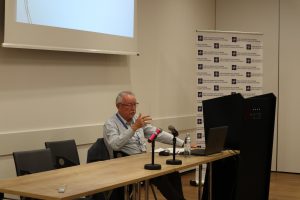
The final day concluded with a lecture by Dr Anton Bebler, Honorary President of the Euro-Atlantic Council of Slovenia, on frozen conflicts in Europe as security challenges.
Balkan SAYS 2021
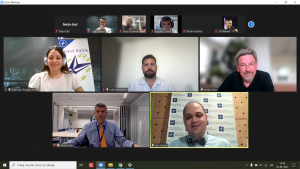
The Youth Section of the Euro-Atlantic Council of Slovenia organized the 9th edition of the Balkan SAYS – Security Architecture Youth Seminar on 15 and 16 September 2021. Due to the ongoing pandemic, the seminar was held online via Zoom and welcomed participants from 22 countries.
The 2021 seminar focused on Mediterranean security, contemporary security challenges in the Balkans, the Slovenian Presidency of the Council of the EU, and the future of NATO.
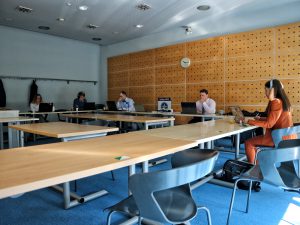
On the first day, experts from several countries discussed the EU–Turkey relationship, new waves of mass migration, tensions between Greece and Turkey, and presented natural disasters and other emergencies from a regional crisis management perspective. The second day addressed the Slovenian EU Council Presidency, cybersecurity, EU enlargement, and NATO’s 2030 agenda, including discussions on the alliance’s future relevance and resilience.
Balkan SAYS 2020
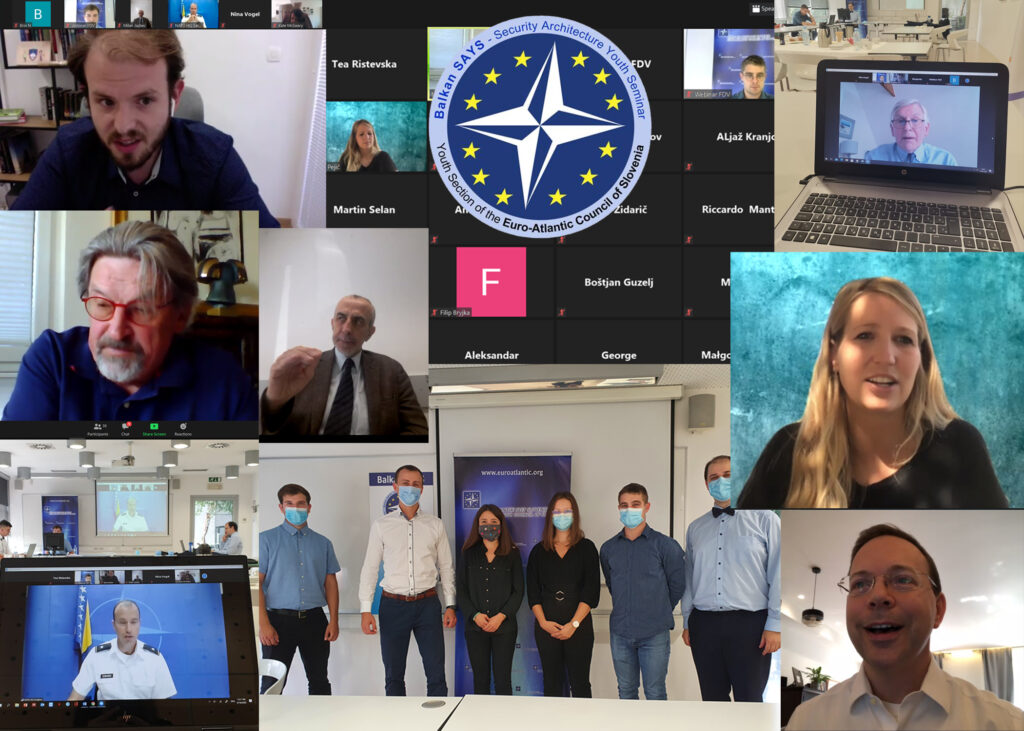
On 16 September 2020, the 8th annual edition of Balkan SAYS – Security Architecture Youth Seminar was organised by the Youth Section of the Euro-Atlantic Council of Slovenia, with the support of the Faculty of Social Sciences, University of Ljubljana. The seminar was held in a hybrid format, bringing together over 50 participants from 21 countries.
The main topics addressed during the seminar included:
-
- China and the Western Balkans – How and why is China influencing the Western Balkans?
- Bosnia and Herzegovina – 25 years after Dayton
- Crises on the EU periphery and the future of the Common Foreign and Security Policy (CFSP)
Balkan SAYS 2019
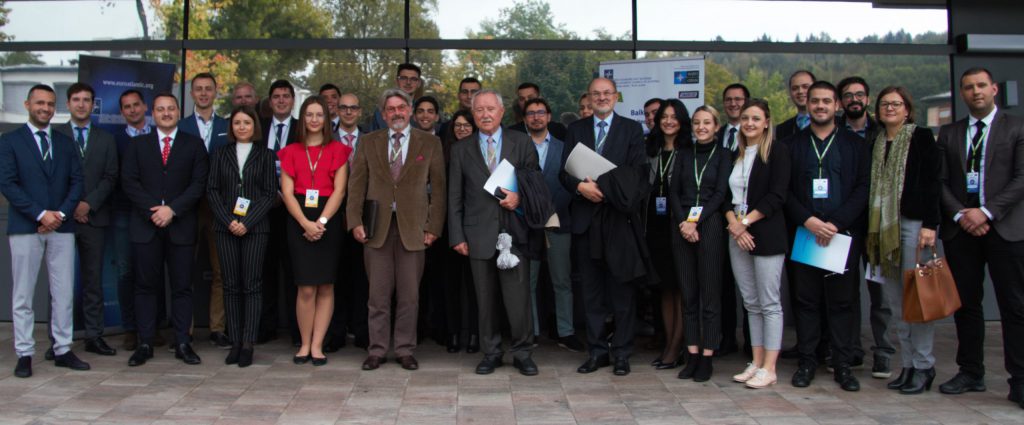
In October 2019, the Balkan SAYS – Security Architecture Youth Seminar hosted 50 participants and expert speakers from 11 different countries. The seminar gathered a diverse professional audience, ranging from senior students to young professionals working across the private sector, governmental institutions, and the military. While the primary focus remained on engaging young professionals from the Western Balkans, the event successfully attracted a broader audience from across the Euro-Atlantic region.
The seminar’s concept is designed to combine expert-led discussions in the form of roundtables with interactive, participant-driven sessions through workshops. This format provides both structured insight and space for creativity and peer exchange.
The main topics addressed in 2019 included:
-
- Euro-Atlantic integration of the Western Balkans – how full and how soon?
- Women and security in the Western Balkans
- Youth and environmental security
- Legal and illegal migration through and from the Western Balkans
These themes were explored through the contributions of experts from academia, representatives of the Slovenian government, international partners, and experienced correspondents.